

Simplified machining solutions for complex tools
In the tooling industry, precision, responsiveness, and on-time delivery have become essential requirements for competitiveness. Mold makers, cutting tool manufacturers, stamping specialists, and machining shops must meet increasingly demanding specifications while maintaining a high level of quality.
For over 20 years, TopSolid has supported tooling professionals in the design and manufacture of molds, progressive dies, electrodes, and production tooling. In a highly competitive international market, companies must optimize every stage of their process: analysis, design, preparation, simulation, manufacturing, inspection, and modifications.
The TopSolid suite enables the creation of a complete digital workflow, from design to machining, to simplify the production of even the most complex tooling and improve efficiency on both prototype projects and mass production runs.
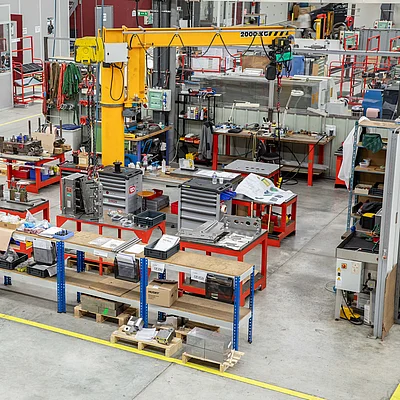
Tooling: an industry where every detail counts
Tooling plays a strategic role in industry. Molds, dies, punches, cutting tools, stamping tools, electrodes, plates, cavities, and tool bodies directly determine the quality of the parts produced, the repeatability of manufacturing, and the performance of production lines.
Poorly designed, poorly prepared, or poorly machined tooling can lead to defective parts, downtime, costly rework, or delays in production start-up. Conversely, well-managed tooling ensures reliable manufacturing, reduces lead times, and improves industrial profitability.
Specialized companies must therefore manage several constraints simultaneously:
- extreme geometric precision;
- complexity of molds and cavities;
- shortened design and manufacturing lead times;
- frequent modifications during the project;
- management of electrodes and wire cutting;
- pre-manufacturing simulation;
- capitalizing on established methods;
- transition from prototype to production;
- optimization of costs and machining times.
In this context, the integration of CAD, CAM, and industrial management becomes a decisive advantage.
CAD/CAM designed for toolmakers
Toolmakers do not work like general-purpose designers. They must consider not only the part itself but also the mold, parting lines, plates, cavities, cores, electrodes, inserts, drill holes, channels, machining operations, and production constraints.
With TopSolid’Mold, TopSolid’Progress, and the associated CAM solutions, TopSolid offers an environment designed for mold makers and cutting tool manufacturers. Data remains consistent across design, preparation, simulation, and manufacturing.
This approach minimizes the need for re-entry, reduces interpretation errors, and improves coordination between the design office, production planning, and the shop floor. The digital workflow thus becomes a direct driver of productivity, particularly for complex tooling and projects subject to frequent changes.
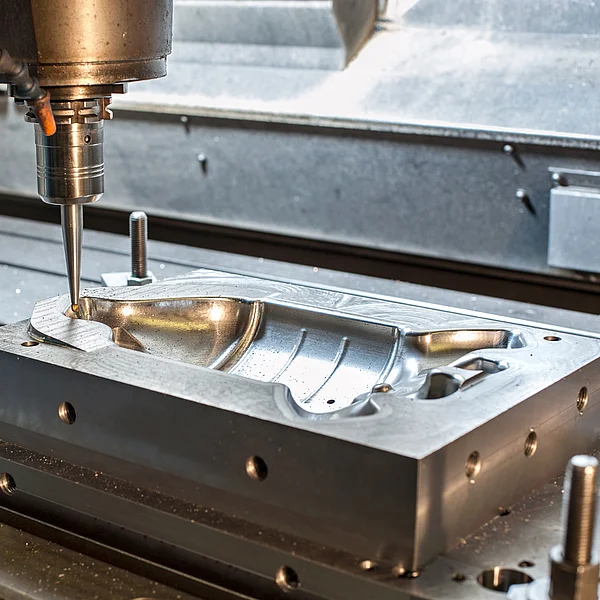
Complex molds: designing with precision from the initial study
Complex molds require a thorough understanding of geometry, assemblies, and manufacturing constraints. They may incorporate multiple cavities, technical shapes, challenging surfaces, inserts, slides, cores, ejection systems, cooling channels, or highly precise functional areas.
Mold design is therefore not limited to reproducing the shape of the final part. It requires anticipating demolding, clearances, adjustments, rework, machining operations, maintenance, and the tool’s service life.
TopSolid enables mold makers to structure their designs while taking these industry-specific constraints into account. Teams can prepare mold elements, manage components, define the information required for machining, and ensure the continuity of design changes.
This continuity is particularly important when the product evolves during the course of a project. Thanks to associativity, changes can be better incorporated into the various stages of design and manufacturing.
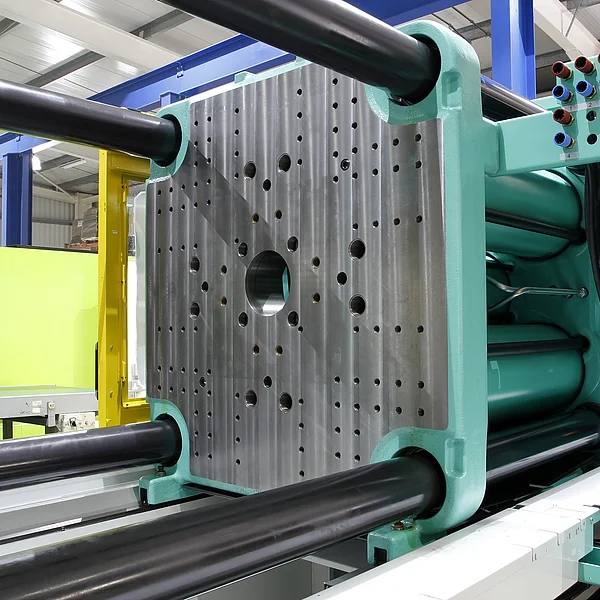
Plastic injection molding: optimizing mold design
Plastic injection molding requires molds that are reliable, precise, and suited to production rates. Injected parts may appear simple, but their manufacture demands great precision in tooling design.
There are many challenges:
- surface quality;
- cavity precision;
- shrinkage management;
- integration of ejection systems;
- cooling;
- production repeatability;
- mold maintenance;
- reduction of manufacturing defects;
- transition from prototype to mass production.
In this context, digital design makes it possible to better anticipate constraints and prepare a mold that is truly manufacturable. The data generated by CAD can then be used for the machining of plates, cavities, electrodes, and associated components.
For mold makers specializing in plastic injection molding, the goal is to reduce design lead times, ensure the reliability of manufacturing steps, and deliver tooling capable of meeting the end customer’s requirements.
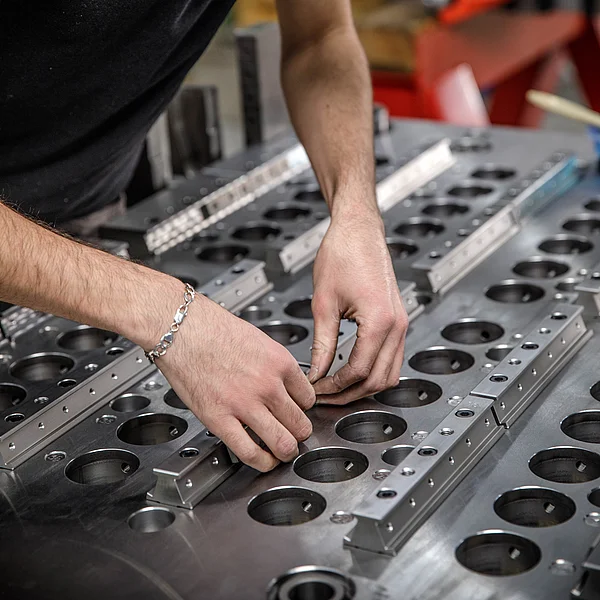
Production tooling: reliability, repeatability, and performance
Production tooling must be designed to operate reliably over the long term, with a high level of repeatability. It must withstand mechanical stresses, guarantee the quality of the parts produced, and integrate effectively into the customer’s industrial operations.
Whether it is a mold, a cutting tool, a stamping tool, an inspection fixture, or a specialized device, production tooling must be considered a key element of the industrial process.
The design must therefore incorporate:
- manufacturing constraints;
- expected production rates;
- mechanical stresses;
- wear areas;
- maintenance procedures;
- possible adjustments;
- technical documentation;
- preparation of machining programs;
- traceability of changes.
TopSolid helps tooling manufacturers integrate this information into a cohesive digital environment, from design through manufacturing.
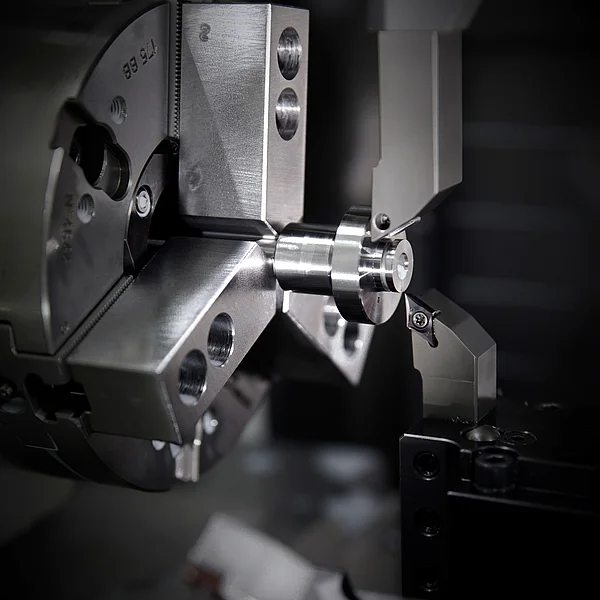
Extreme precision: ensuring the accuracy of cavities, plates, and electrodes
In toolmaking, extreme precision is essential. An error in a die cavity, a misalignment in a plate, incorrect electrode positioning, or an imprecise cut can compromise the entire project.
Precision applies equally to both design and machining. Toolpaths must be carefully controlled, rework must be anticipated, electrodes must align with the areas to be machined, and wire-cutting operations must be integrated into the overall process.
TopSolid enables you to retrieve the information needed to produce plates, dies, electrodes, and tooling components. The links between CAD and CAM help bridge the gap between design and production: what is designed can be prepared more quickly for manufacturing.
This continuity helps teams ensure data reliability, reduce last-minute corrections, and better control sensitive operations.
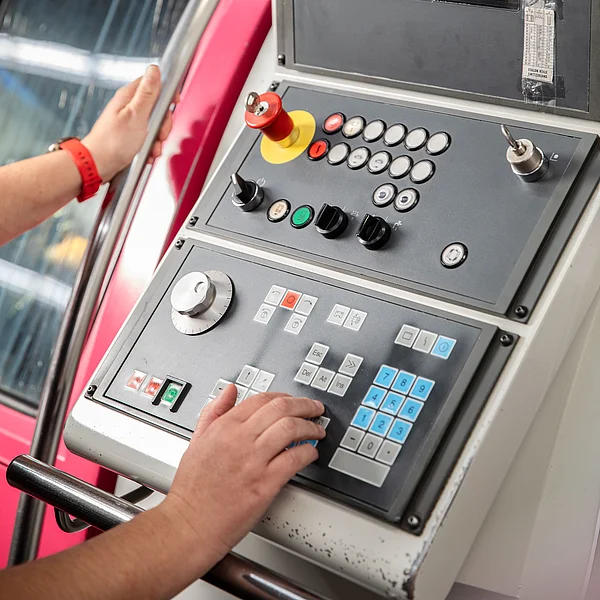
Prototypes and production runs: supporting the entire development cycle
Toolmakers are often involved in several stages of industrial development. They can produce an initial prototype tool, adjust a mold after testing, prepare a pre-production run, and then finalize the tooling for mass production.
Each phase has its own constraints. Prototyping requires speed and flexibility. Mass production demands robustness, repeatability, and precise control over production times.
TopSolid supports this progression by enabling data to evolve throughout the project. Design changes can be integrated, best practices can be captured, and machining information can be adapted as the tooling evolves.
This approach is essential for companies that must manage dynamic projects involving successive validations, customer adjustments, and production launch requirements.
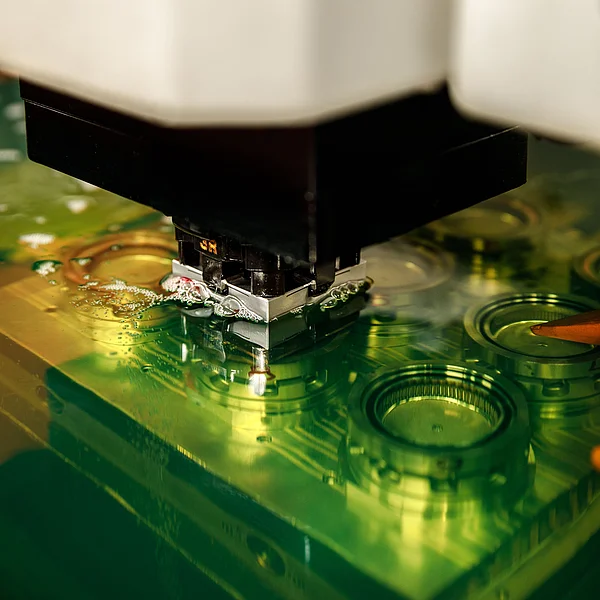
2D, 3D, electrodes, and wire cutting: covering all shop floor needs
Tooling projects involve various manufacturing technologies. Some operations fall under 2D machining, others under 3D machining, cavity machining, residual material removal, EDM, or wire cutting.
TopSolid enables these needs to be met within an integrated workflow. Machining strategies can be prepared based on the geometry, internal methods, and requirements of each project.
Electrodes, in particular, play a central role in the manufacture of many complex molds. Their design, positioning, machining, and documentation must be carefully managed to ensure the final quality of the mold cavity.
Wire cutting complements toolmakers’ needs for precise shapes, cutting elements, dies, punches, or technical components requiring a high degree of precision.
Automating processes to boost competitiveness
In an ideal process, producing a tool should be as seamless as generating a drawing. The reality in industry is more complex, but automating methods brings us closer to that ideal.
By integrating design functions, machining processes, and shop floor methods, TopSolid enables users to identify and utilize the elements to be manufactured more efficiently: holes, pockets, shapes, cavities, electrodes, cutouts, or rework.
This approach saves time, reduces repetitive tasks, and better capitalizes on the company’s expertise. It also helps standardize practices, which becomes essential when multiple teams are working on similar projects.
For toolmakers, competitiveness depends on this ability to produce quickly, accurately, and with a consistent level of reliability.
Managing changes without data discontinuity
Tooling projects frequently evolve. A customer part may be modified, a functional area may be adjusted, a parting line may change, a testing issue may require a correction, or a production request may necessitate an adaptation.
In these situations, the associativity between design data and manufacturing data becomes a major asset. It allows for better implementation of changes, minimizes oversights, and reduces the risk of inconsistencies between the model, drawings, electrodes, and machining programs.
This ability to accommodate changes is particularly important for complex molds, production tools, and projects transitioning from prototype to series production.
A complete digital workflow for tooling manufacturers
The success of a tooling project depends on continuity between the various stages. The more seamlessly data flows, the more efficient the teams become.
TopSolid enables the creation of a complete digital workflow:
- importing or designing the 3D model;
- tool preparation;
- definition of plates, cavities, and components;
- electrode design;
- preparation of 2D and 3D operations;
- CAM programming;
- wire cutting;
- simulation;
- Generation of shop floor documents;
- change management;
- manufacturing data tracking.
This continuity reduces the need for re-entry, minimizes errors, and improves coordination between the design office, production planning, and the shop floor.
Applications in the tooling industry
TopSolid meets the needs of many tooling-related trades and applications:
- complex molds for technical parts;
- plastic injection molds;
- cutting tools;
- stamping tools;
- progressive dies;
- electrodes;
- plates, dies, and frames;
- dies and punches;
- clamping devices;
- inspection fixtures;
- production tooling;
- prototype and production runs.
This diversity calls for solutions capable of handling extreme precision, geometric complexity, shop-floor manufacturing, and tight deadlines.
TopSolid, a partner to tooling professionals
TopSolid supports mold makers, toolmakers, and production tooling manufacturers in meeting their challenges related to precision, productivity, and competitiveness.
Thanks to an integrated suite combining design, simulation, CAM, electrode design, wire cutting, and industrial management, companies can better control their projects, ensure the reliability of their methods, and optimize the manufacturing of complex molds and tools.
Whether for plastic injection molding, cutting tools, stamping, prototyping, or mass production, TopSolid helps tooling professionals reduce lead times, ensure manufacturing quality, and meet their customers’ requirements with precision and reliability.
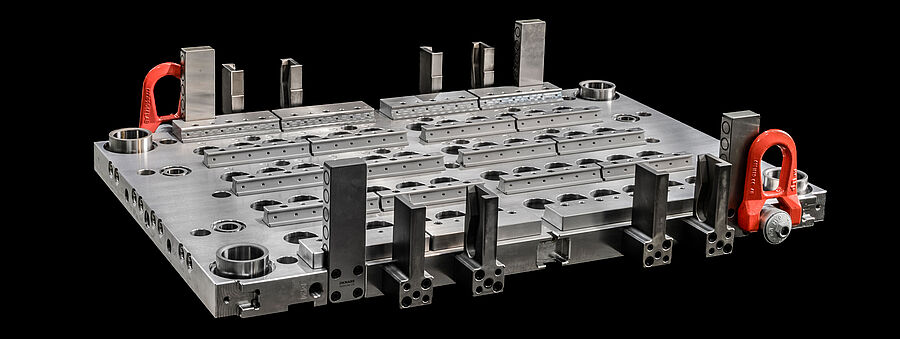
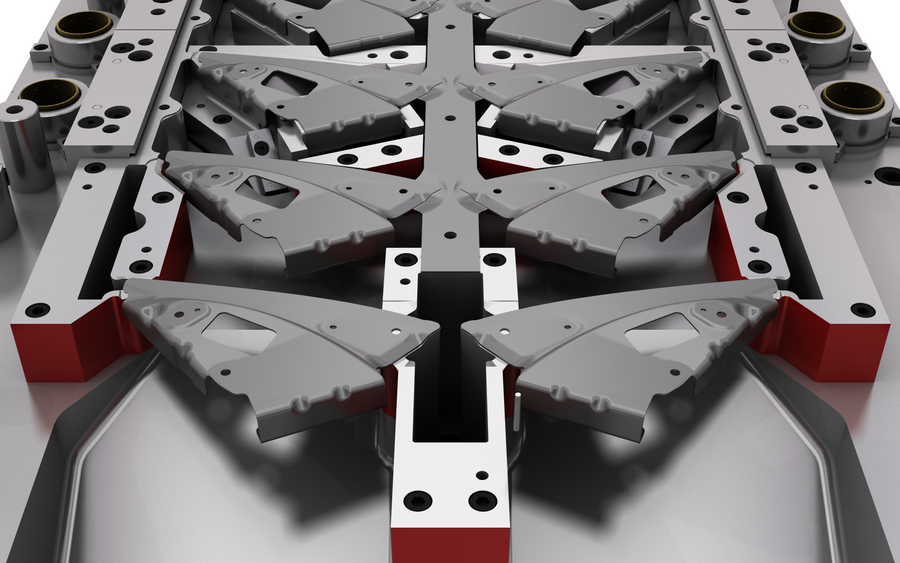
TopSolid'Mold
An open and flexible tooling-design CAD system with fully integrated PDM, providing the best way to handle most CAD formats on the market while improving productivity.
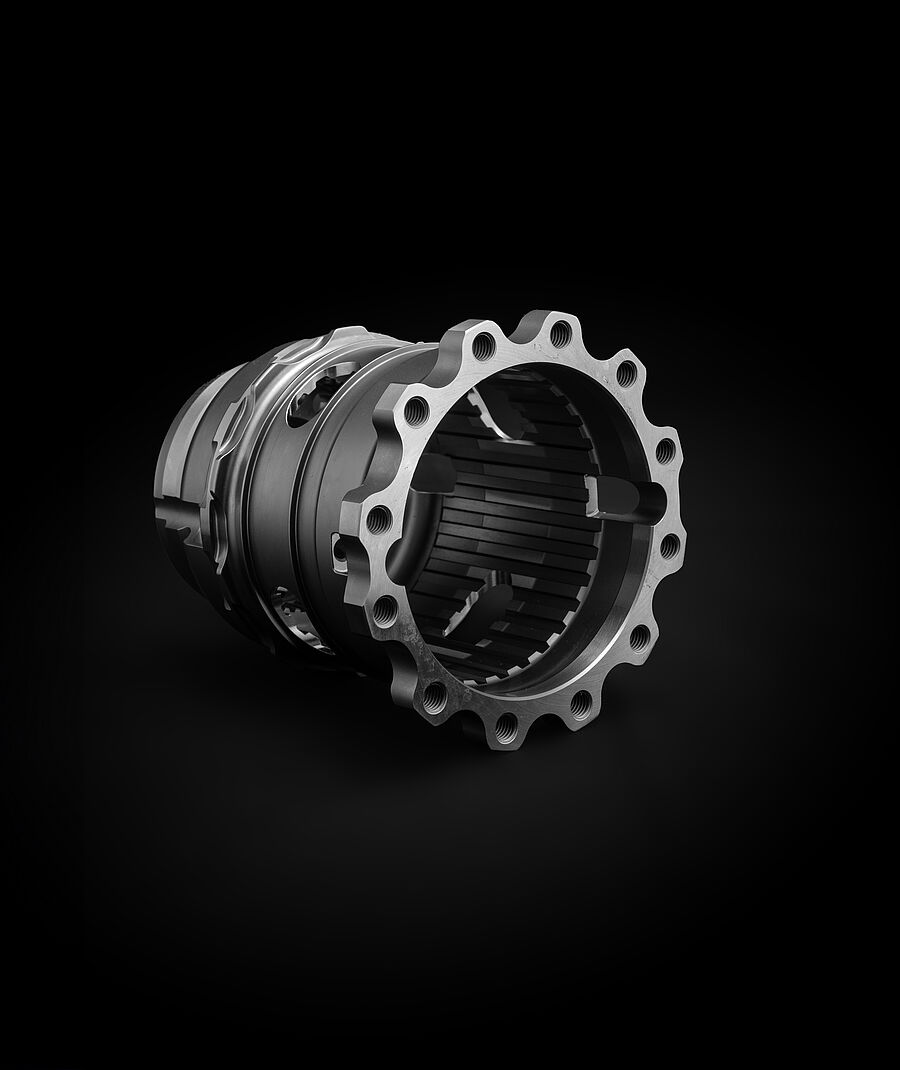
TopSolid'Progress
TopSolid'Progress makes Strip Layout Design easier with a set of specific Features : specialized punching operation, bending and forming management etc.
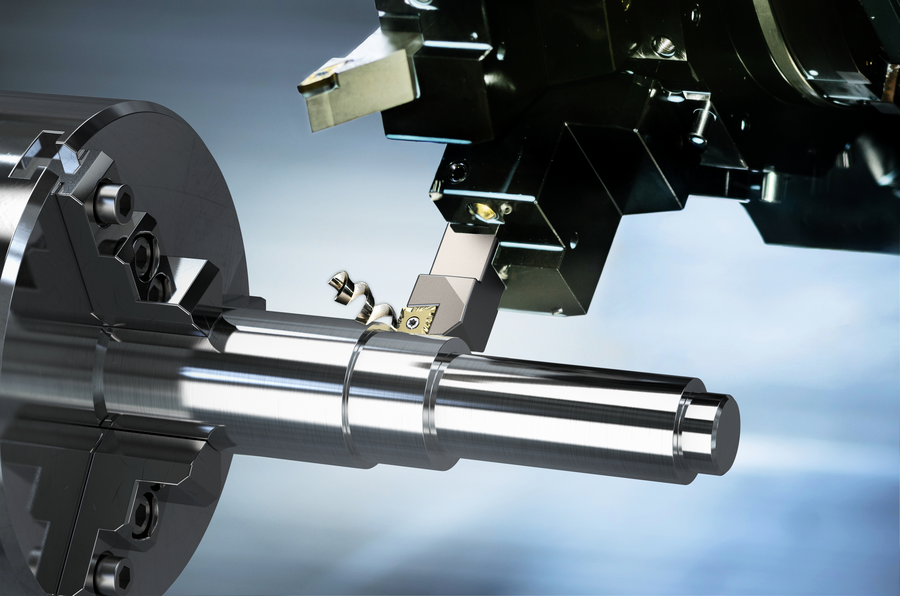
TopSolid'Cam: CAM software
A comprehensive CAD/CAM solution that boosts the competitiveness of your manufacturing process, from 2-axis to 5-axis machining, all within a simple, intuitive, and scalable environment. Guaranteed efficiency at the heart of Industry 4.0.
TopSolid'Cam Essential
CAM and CAD/CAM software, TopSolid'Cam Essential is the simple and efficient machining solution. Boost your productivity with our intuitive CAD/CAM solution adapted to your workshop.
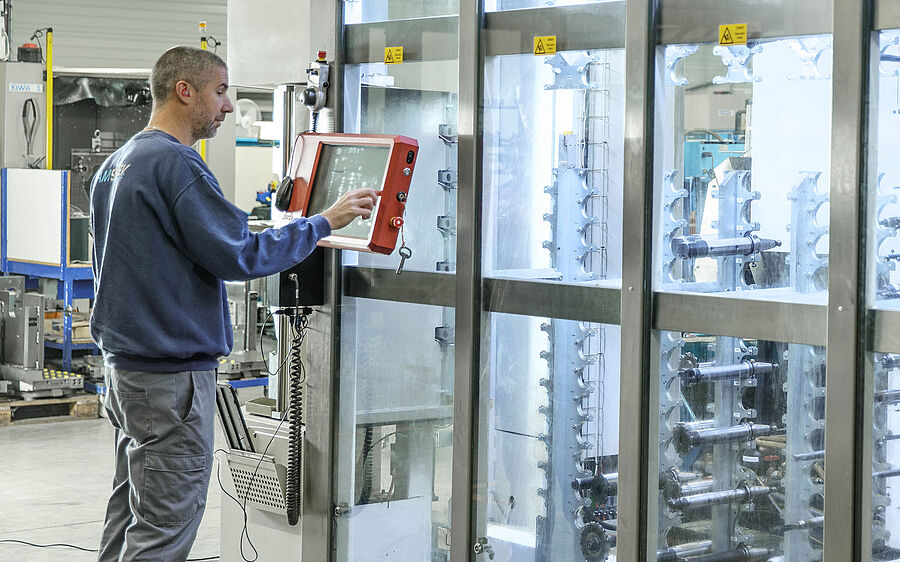
TopSolid'ShopFloor
A modular and scalable ecosystem that reliably and automatically manages all manufacturing workflows, from projects to NC programs, from tooling to stock, offering complete control over your production environment.
Frequently Asked Questions
CAD, CAM, and ERP software for tooling

Find the Right TOPSOLID Solution for Your Business
Explore how TOPSOLID can support your industry with integrated solutions designed to connect your processes from design to production.