
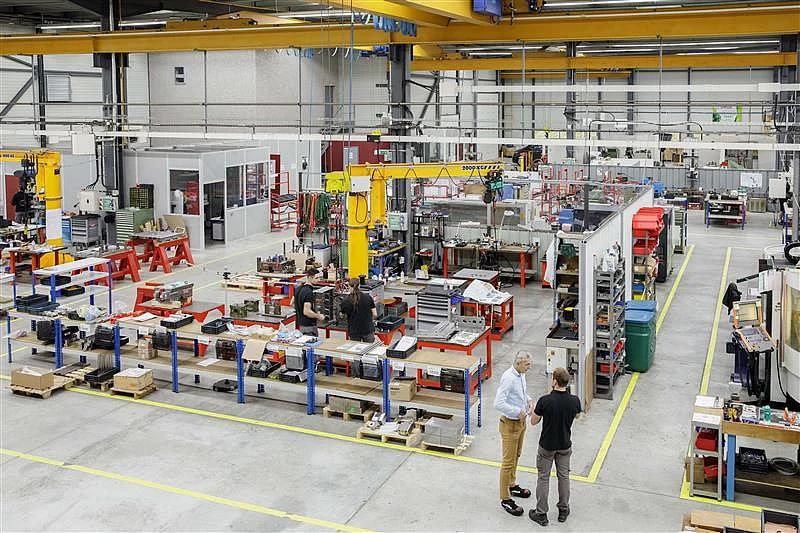
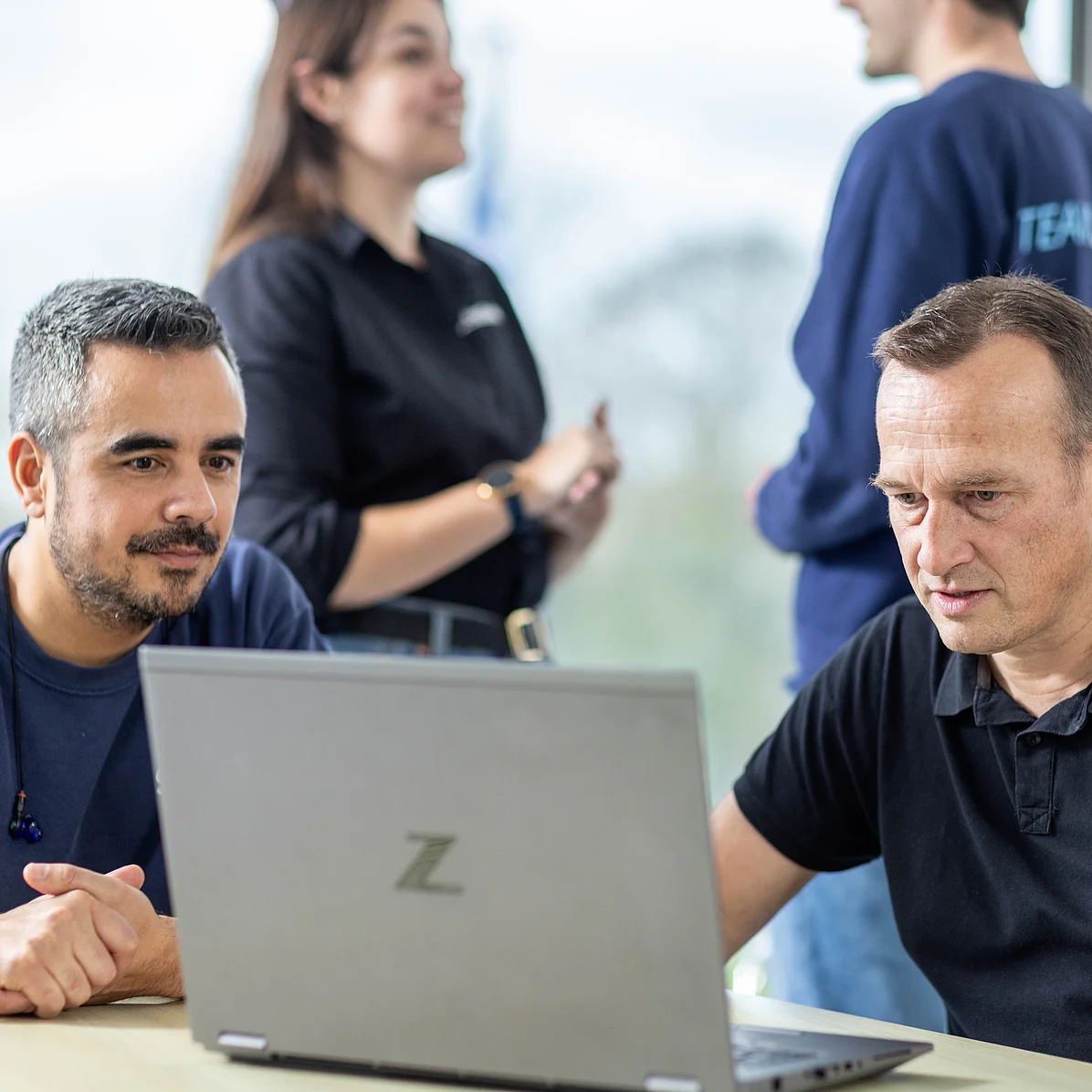
Deploying an industrial system is about more than installing software. It means making an entire digital thread operational within an existing environment, taking into account team organisation, production constraints, existing systems, quality requirements and process continuity.
At TOPSOLID, every deployment is approached as an industrial project in its own right. The objective is not simply to “get a solution up and running”, but to ensure that it is fully aligned with your operational reality.

An Analysis Phase Before Implementation
Every project begins with a structured analysis of your environment. This phase makes it possible to accurately identify usage requirements, data flows, production constraints and technical dependencies.
Depending on the context, this may involve migrating from an existing environment, carrying out an initial deployment or extending the functionality of a system already in operation.
This phase helps prevent the common disruptions associated with multi-system projects: data inconsistencies, disconnects between engineering and the shop floor, or a loss of continuity between design and manufacturing.
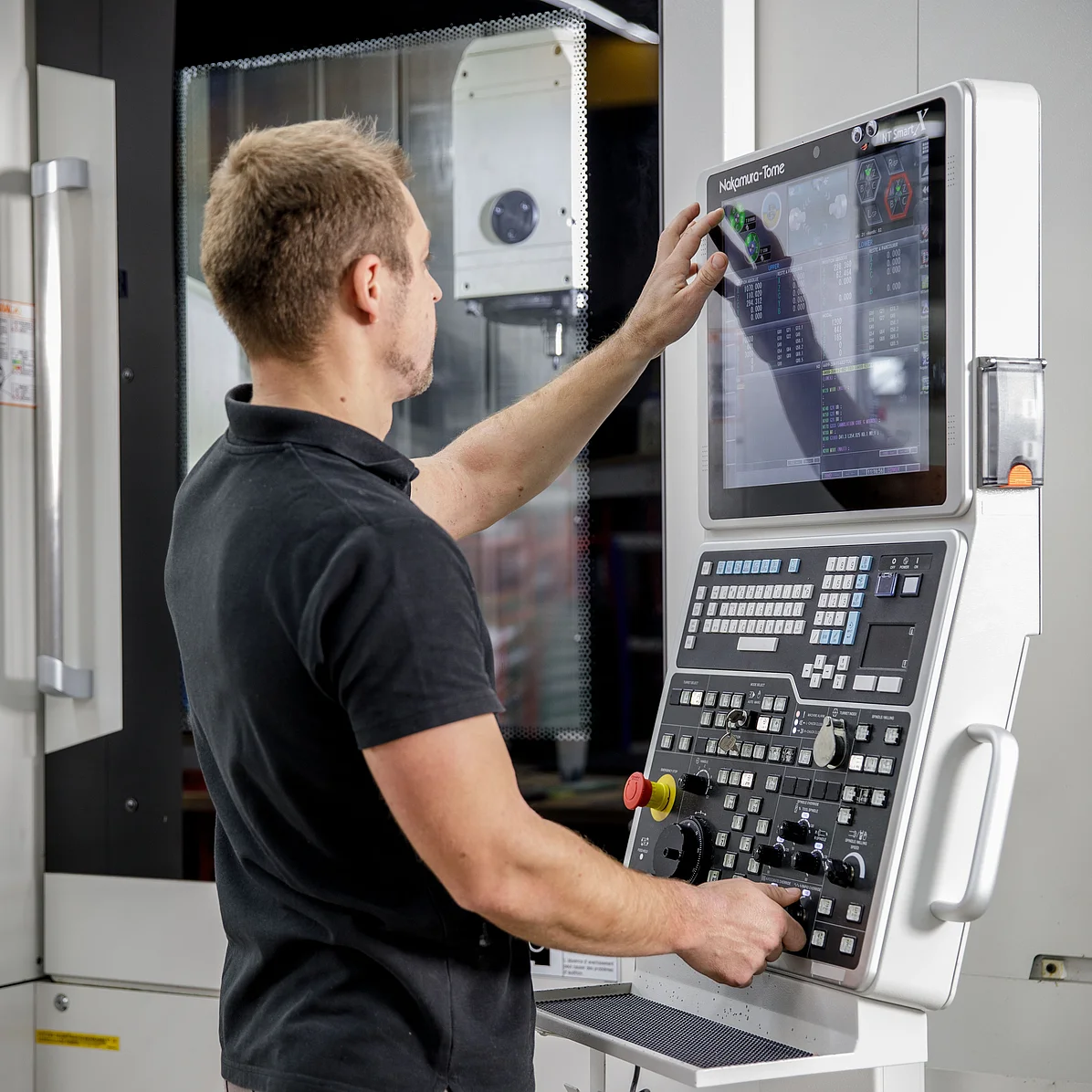
Integration Built Around Your Production Environment
The deployment is then structured around your actual industrial constraints.
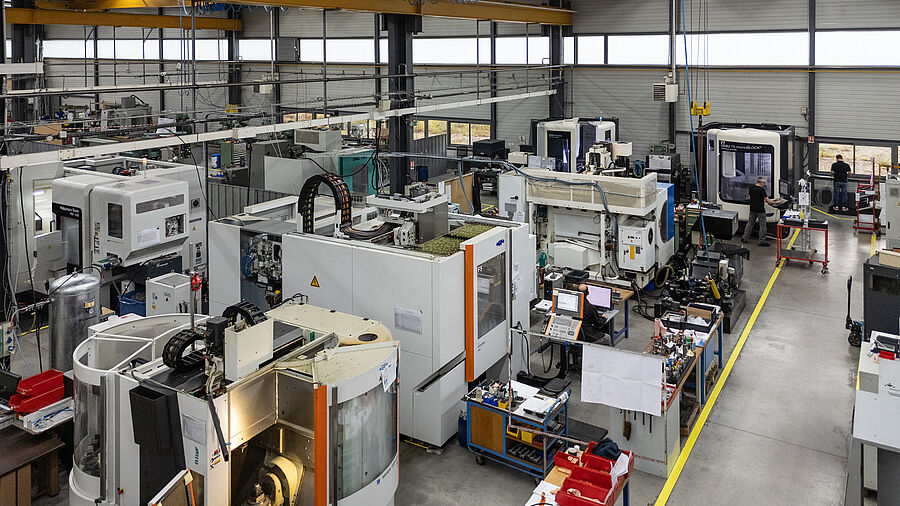
This means that technical steps are never isolated from the realities of the shop floor. They are planned according to production cycles, workload periods, team availability and business continuity requirements.
The objective is straightforward: to ensure a progressive, controlled go-live without critical disruption to production.
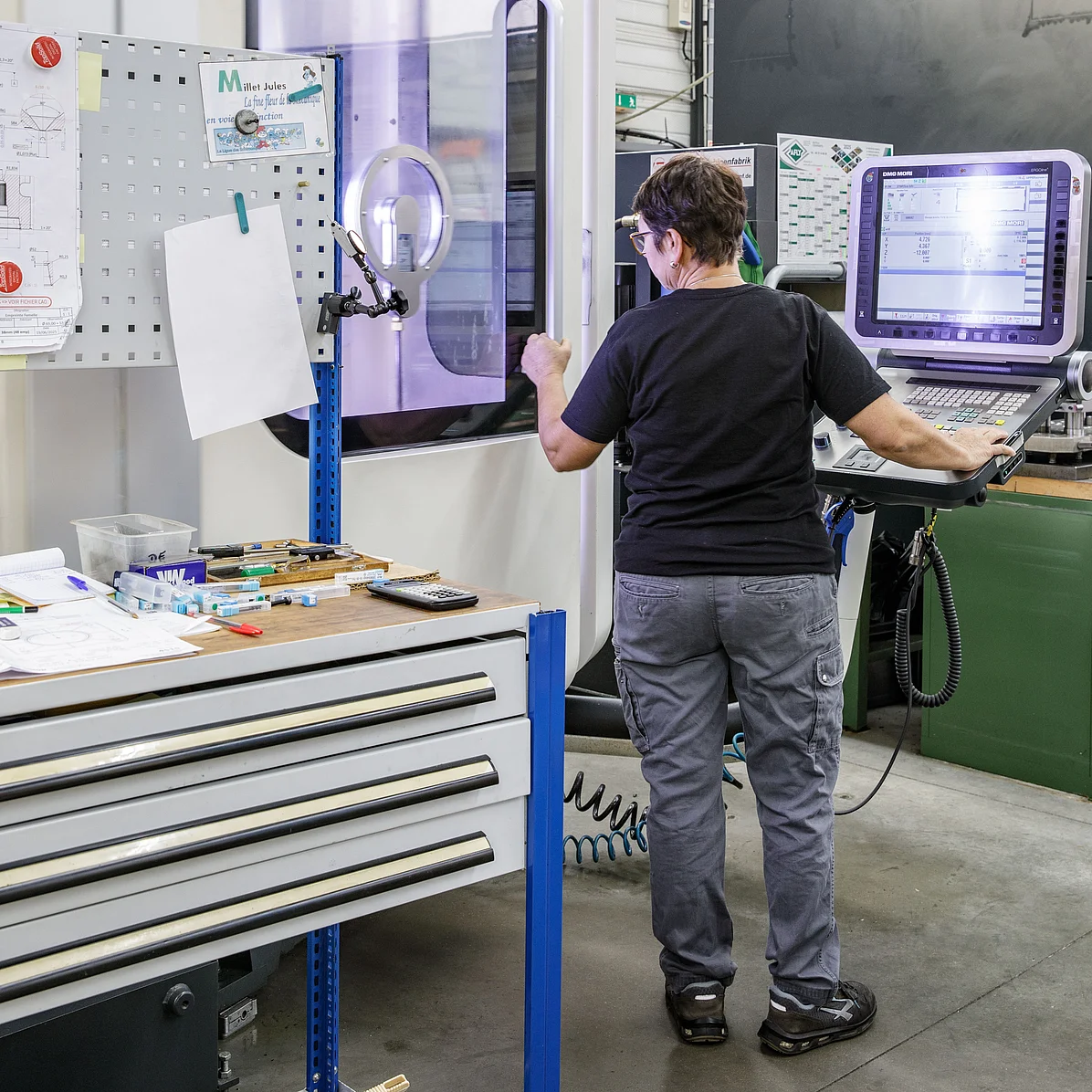
A Project Schedule Aligned with Your Industrial Priorities
Each integration project is managed through a project schedule developed jointly with your teams.
This schedule goes beyond technical milestones. It structures the entire project, including environment preparation, prerequisite validation, installation, testing, ramp-up and go-live.
This approach helps anticipate risks and ensures a smooth transition between the existing and new systems.
Integration Only Works When Teams Are On Board
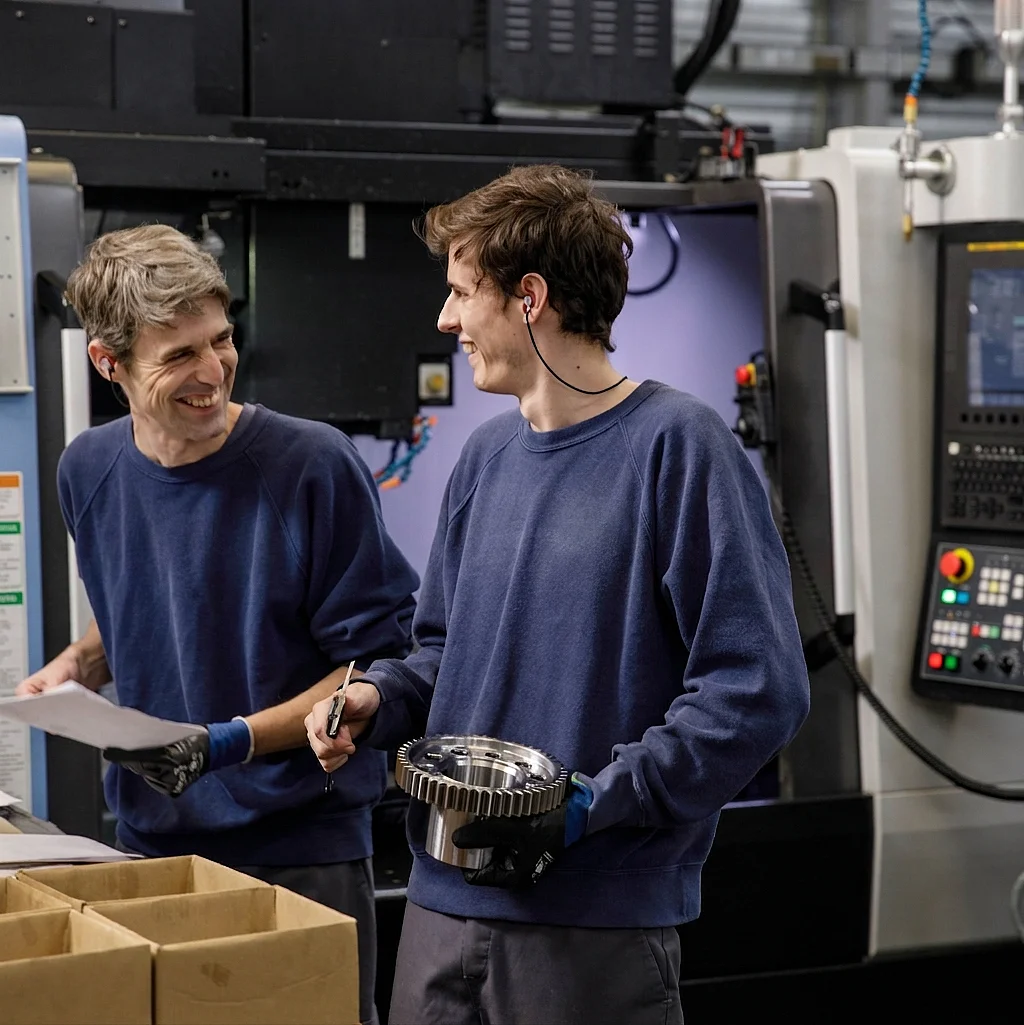
Beyond the technical aspects, a successful industrial deployment depends on teams adopting the system progressively and consistently.
That is why integration always includes a strong human dimension. Users do not discover the solution at the end of the project; they are involved from the earliest stages. This makes it possible to adapt working methods to operational realities, reduce resistance to change and support effective adoption of the system under real production conditions.
This dimension is essential: industrial software can only deliver its full value when it is used effectively by the people who rely on it every day.

A Secure and Supported Go-Live
Once the solution has been deployed, TOPSOLID teams carry out an operational validation phase.
This step ensures that data flows, users, interoperability and system performance function correctly in a real operating environment.
It marks the transition from project implementation to day-to-day operation.
Continuity Beyond Deployment
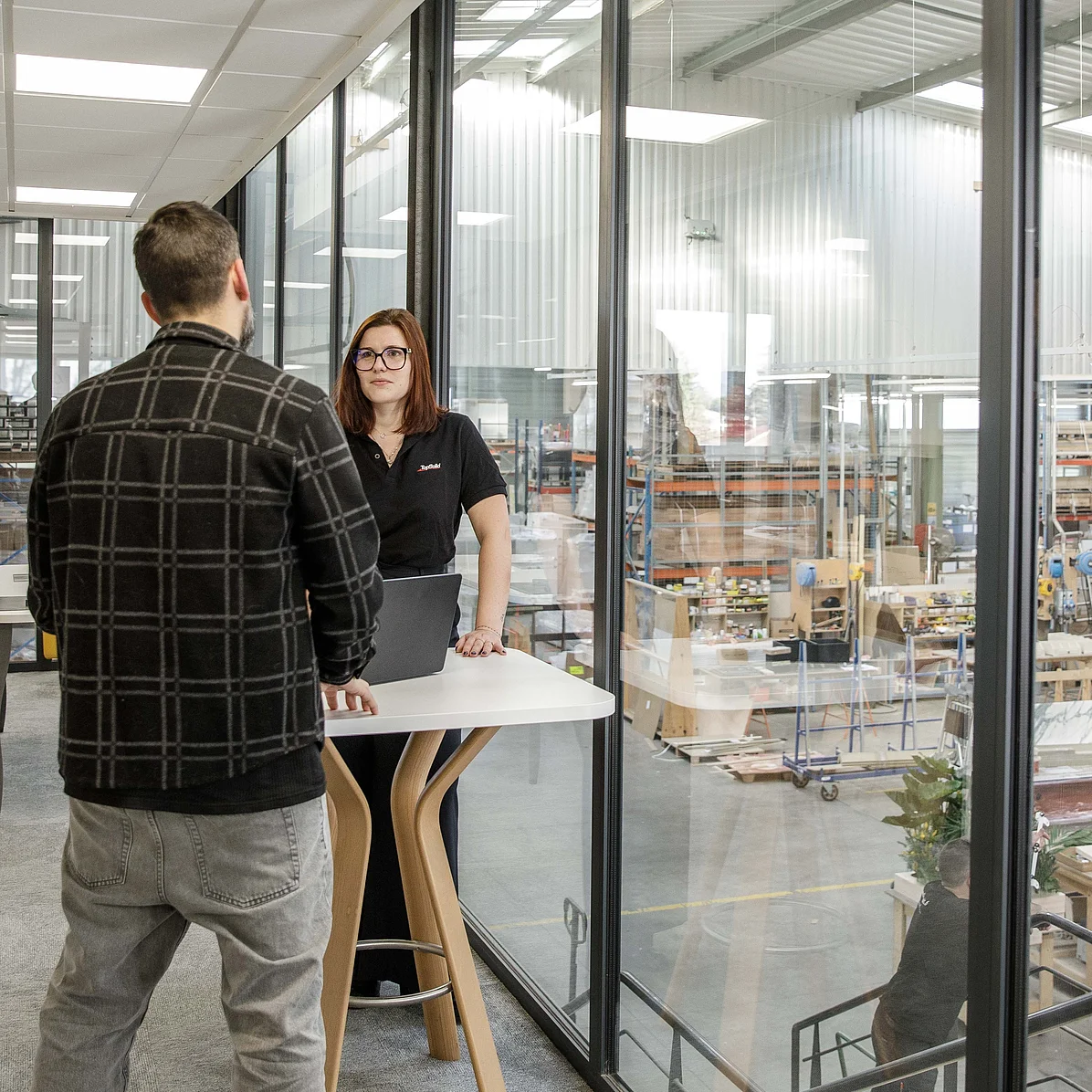
Once the system is in place, the challenges naturally evolve. The focus is no longer simply on installation, but on maintaining, optimising and developing the industrial environment over time.
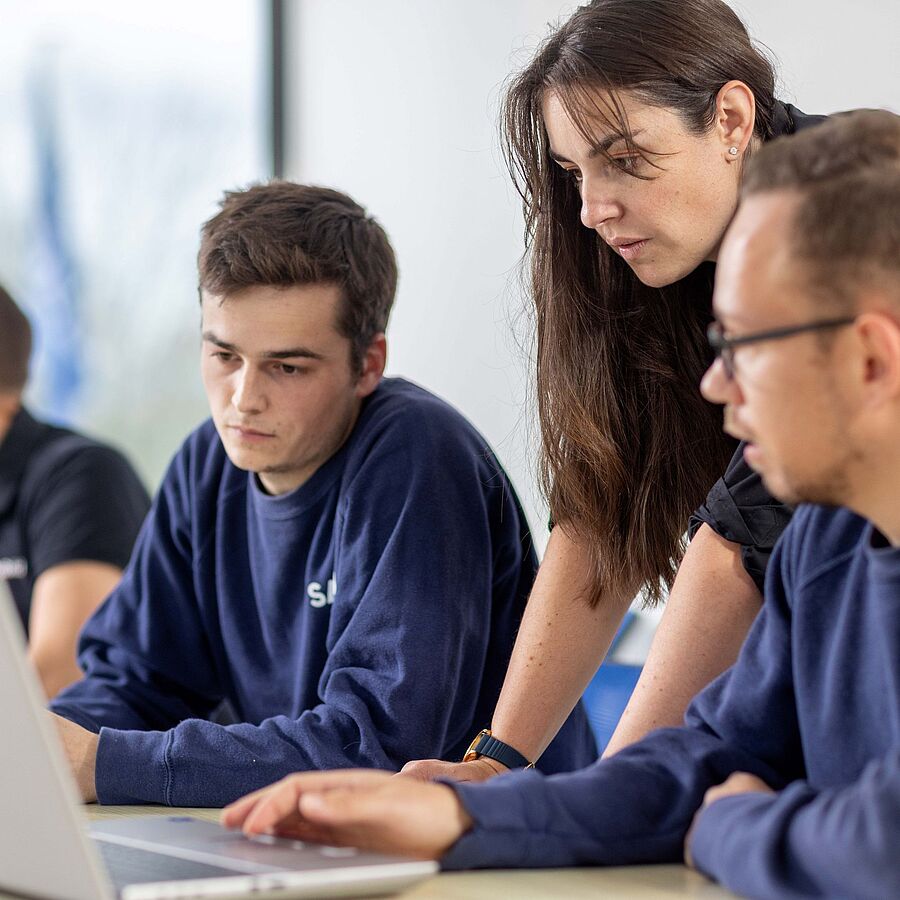
This is where training plays a key role in building and maintaining team skills, while custom development makes it possible to adapt the system to the specific requirements of each organisation. When operational issues arise, technical support remains available to help ensure business continuity.

Let’s Talk About Your Project
Connect with our team to discuss your objectives, challenges, and next steps.