
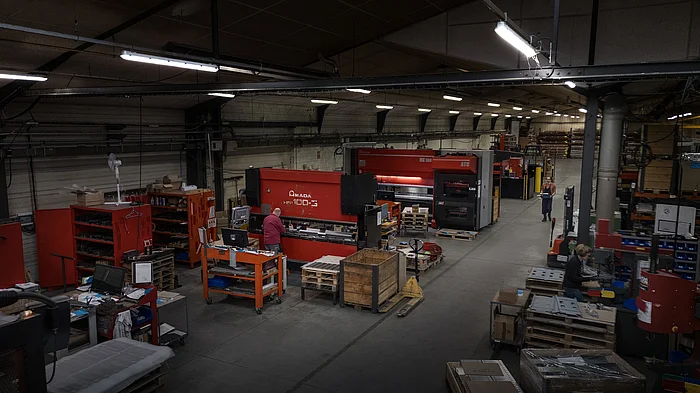
Software solutions for designing, engineering, and manufacturing technical equipment
Electronics and industrial equipment play a central role in technological innovation. Connected machines, control devices, technical components, embedded equipment, measurement systems, enclosures, cabinets, sensors, actuators, and mechatronic subassemblies must meet ever-increasing demands for precision, performance, and reliability.
In these sectors, projects are becoming increasingly complex. The miniaturization of components, the integration of mechanical, electrical, and electronic functions, tight deadlines, and quality requirements demand complete mastery of the digital workflow.
TopSolid supports manufacturers in the electronics and industrial equipment sectors with an integrated software suite capable of linking design, industrialization, manufacturing, data management, traceability, and production control.
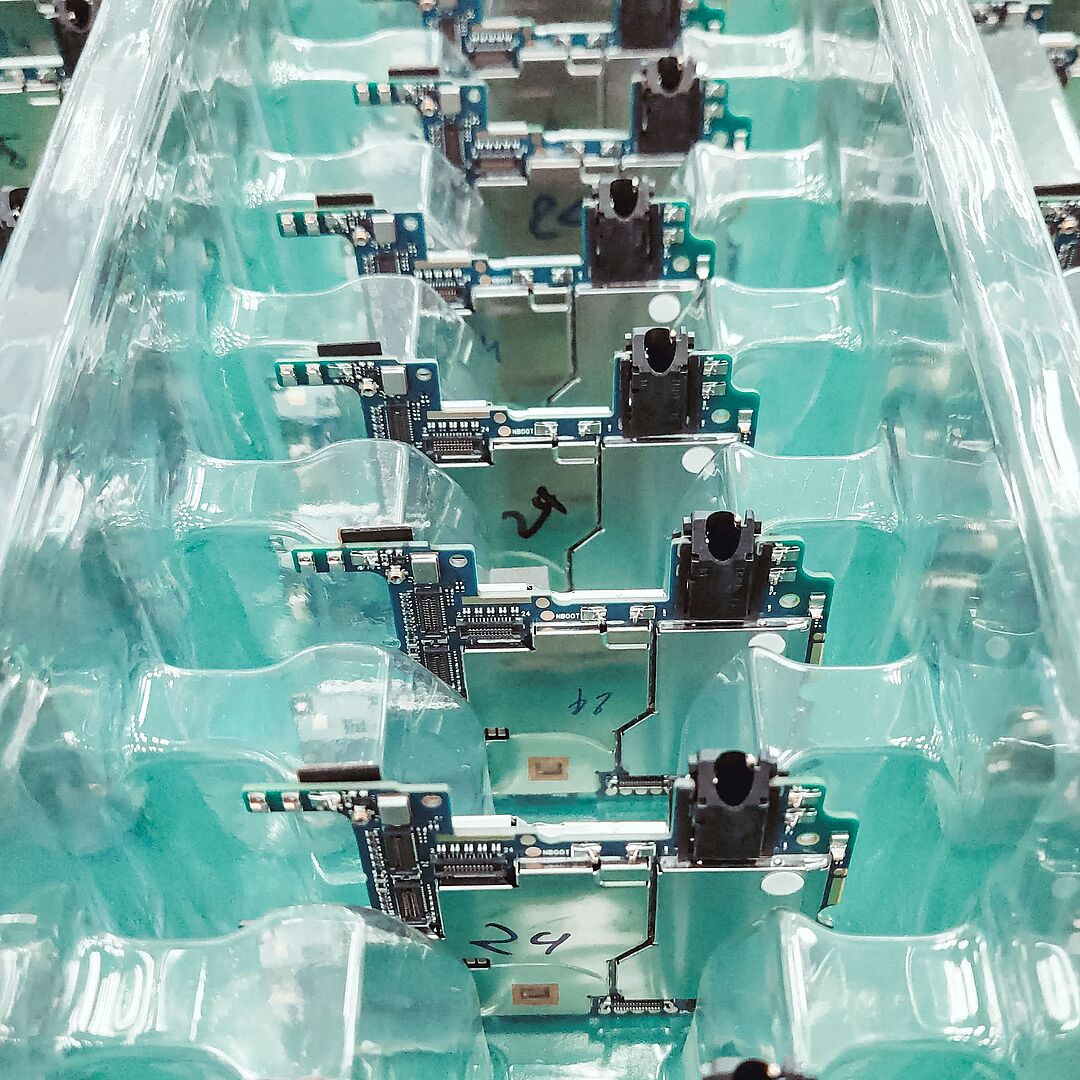
Electronics and industrial equipment: projects with high technical value
Companies in the electronics and industrial equipment sector must design and produce a wide variety of assemblies: enclosures, mounts, connectors, chassis, heat sinks, machined parts, sheet metal parts, tooling, test fixtures, technical components, and complete systems.
These projects may involve several disciplines:
- mechanical design;
- electronic integration;
- sheet metal fabrication and processing;
- precision machining;
- plastics processing;
- assembly;
- wiring;
- quality control;
- technical documentation;
- industrial management.
The challenge lies in ensuring that these disciplines can communicate effectively based on reliable data. A change to a circuit board, enclosure, connector, or form factor can have a direct impact on mechanical design, machining, assembly, or manufacturing.
A coherent digital workflow helps minimize errors, better manage changes, and ensure a smooth transition from the design office to the shop floor.
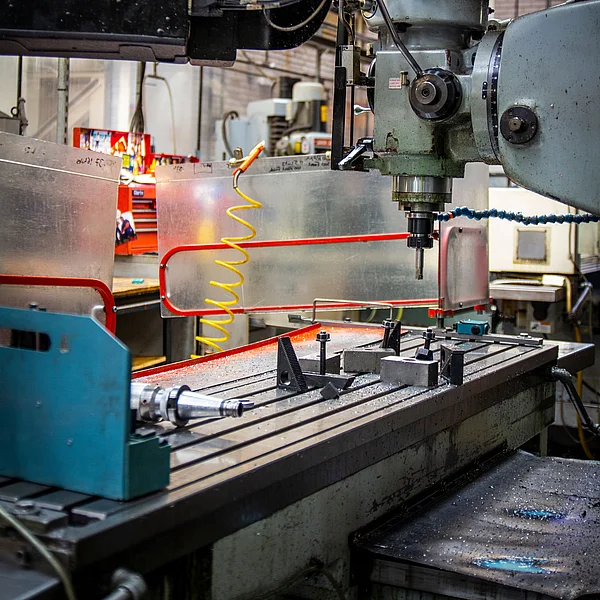
Miniaturization: designing smaller, more precise, and more functional devices
Miniaturization is one of the major challenges in modern electronics. Devices are becoming more compact, lighter, and more integrated, while incorporating more features.
This trend requires the design of parts that are smaller, more precise, and sometimes more complex to manufacture. Enclosures, mounts, connectors, heat sinks, mechanical interfaces, and fasteners must meet tight tolerances while ensuring accessibility, thermal dissipation, robustness, and ease of assembly.
Miniaturization also requires careful planning to address production constraints:
- reduced footprints;
- precise mechanical interfaces;
- pathways for cables or connectors;
- thermal management;
- accessibility during assembly;
- assembly constraints;
- material selection;
- dimensional control;
- manufacturing repeatability.
TopSolid enables teams to design these components in a precise 3D environment while preparing for their industrialization and manufacturing.
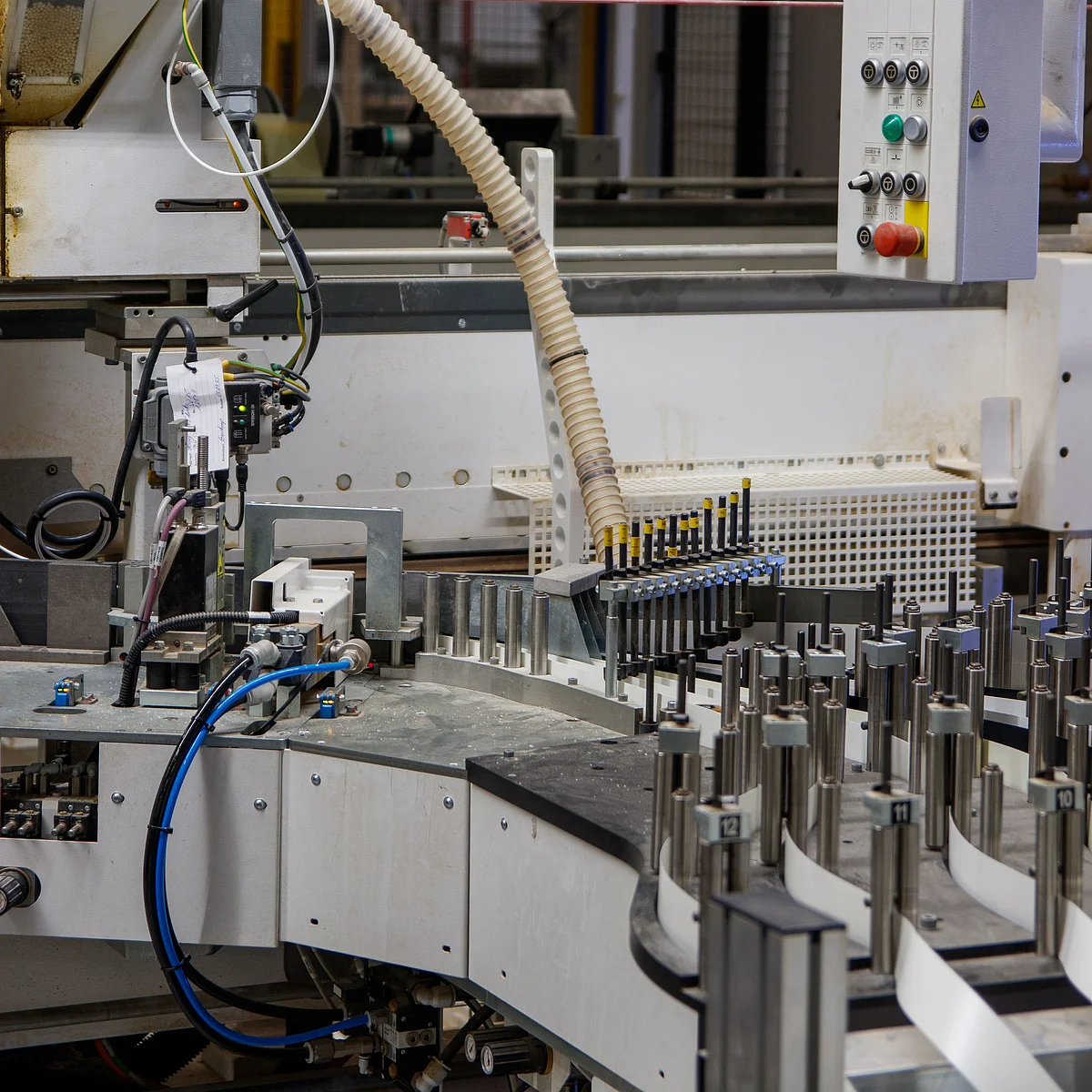
Precision: ensuring the reliability of components and assemblies
In electronics and industrial equipment, precision is essential. A dimensional error in a housing, a bracket, an interface, or a fastener can prevent assembly, generate mechanical stress, or disrupt the operation of the final equipment.
Precision applies equally to design and manufacturing. It requires a thorough understanding of 3D models, drawings, tolerances, flat patterns, machining operations, bending, and assemblies.
An integrated CAD/CAM solution ensures this precision by maintaining consistent data across the various stages of the project. Teams can design, adjust, simulate, prepare drawings, generate programs, and transmit the correct information to the shop floor.
This continuity is particularly valuable for manufacturers of technical equipment, industrial subcontractors, and companies that produce parts with strict dimensional requirements.
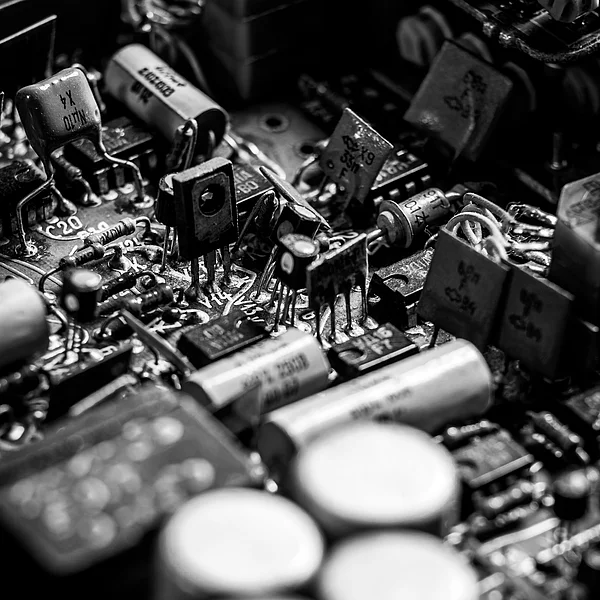
Technical components: managing the complexity of industrial parts
Technical components used in electronic and industrial equipment often must fulfill multiple functions simultaneously. A single part can serve as a mechanical support, a protective cover, a heat sink, a mounting point, a cable passage, or an interface with other components.
These components can be machined, cut, bent, molded, assembled, or integrated into a larger assembly. Their design therefore requires a domain-specific approach that takes into account function, material, manufacturing constraints, and operating conditions.
TopSolid supports the design and manufacturing of numerous technical components:
- electronic enclosures;
- covers and guards;
- chassis and mounts;
- mechanical interfaces;
- heat sinks;
- fasteners;
- circuit boards;
- mechanical connectors;
- machined parts;
- sheet metal parts;
- production tooling;
- test and inspection fixtures.
This diversity requires a solution capable of handling a variety of geometries, different materials, and multiple manufacturing methods.
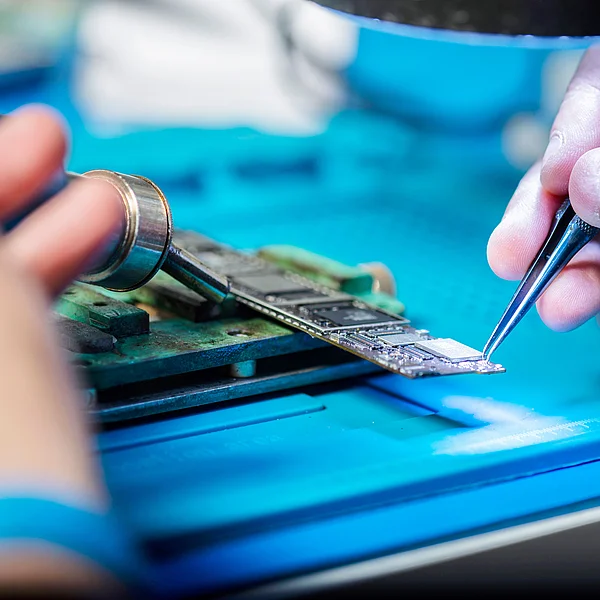
Electronics industrialization: moving from prototype to production
Electronics industrialization involves transforming a concept or prototype into a manufacturable, repeatable product that meets market requirements. This phase is critical for controlling costs, lead times, quality, and the reliability of the equipment.
It involves coordinating several aspects:
- mechanical design of the product;
- integration of electronic circuit boards;
- interface management;
- selection of manufacturing processes;
- tooling preparation;
- definition of production sequences;
- management of bills of materials;
- quality control;
- technical documentation;
- tracking changes;
- procurement management.
TopSolid helps companies organize this process by linking design data to manufacturing and industrial management data. The goal is to reduce data re-entry, minimize errors, and speed up the transition from the design office to production.
For electronics manufacturers, this continuity is essential when moving from a prototype to a small production run and then to more regular production.
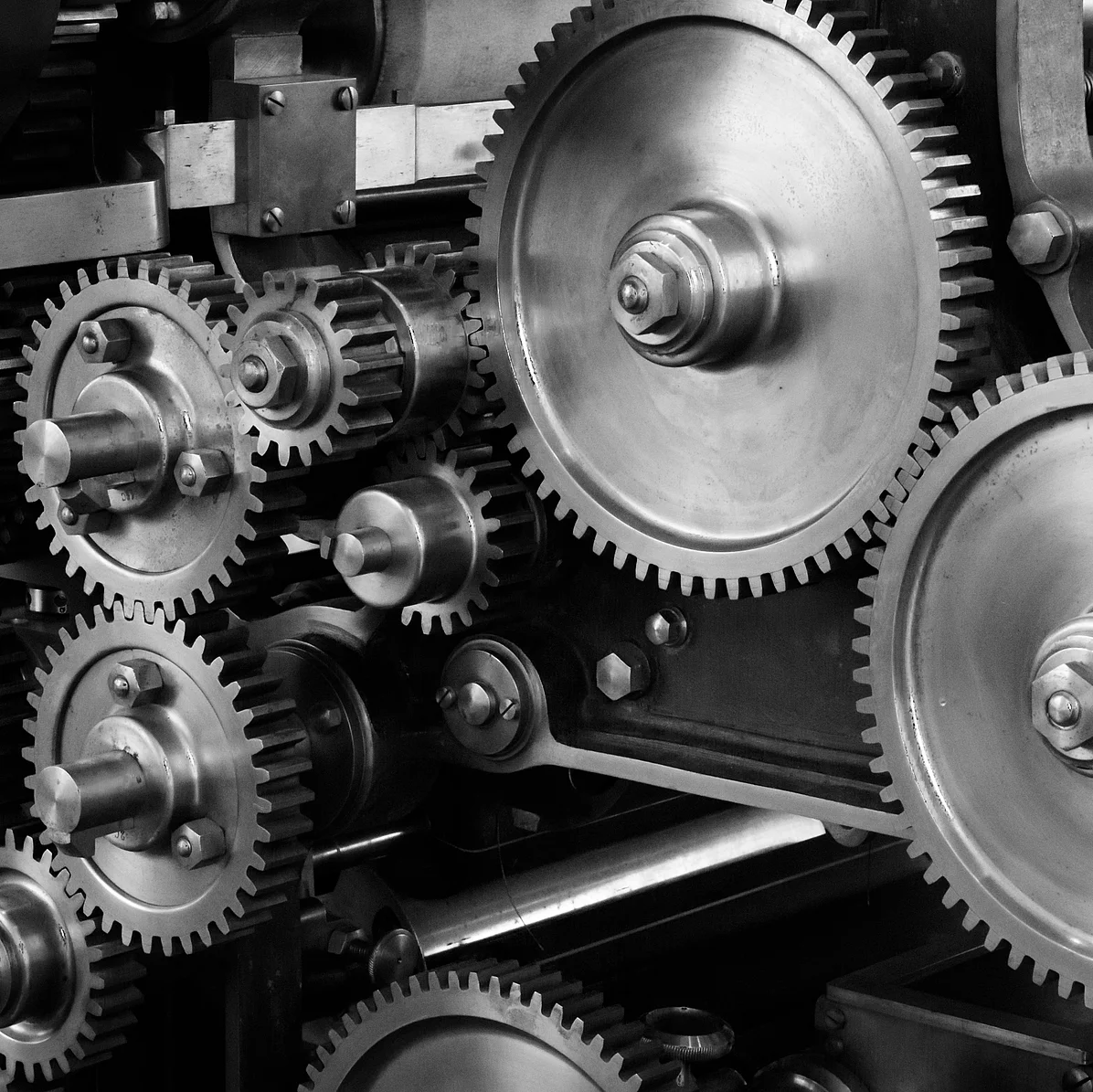
Mechanical, electronic, and industrial integration
Modern industrial equipment increasingly combines mechanical, electronic, and automation components with software, sensors, actuators, and connectivity. This mechatronic approach requires effective coordination among the various disciplines involved in the project.
Mechanical and electronic integration must be planned from the design phase onward. Circuit boards, connectors, cables, buttons, displays, ventilation systems, heat sinks, fasteners, and protective covers must be precisely positioned within the available space.
3D modeling allows for better visualization of these interfaces, verification of clearance requirements, and minimization of conflicts prior to manufacturing. It also facilitates communication among the mechanical, electronics, process engineering, procurement, production, and quality teams.
In industrial equipment, this coordination is a key factor in reducing rework, ensuring on-time delivery, and improving the reliability of the final product.
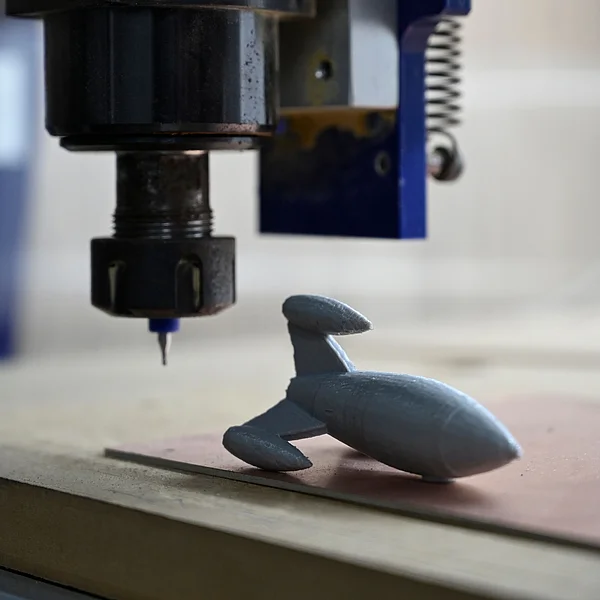
Prototypes, small batches, and industrial production
Companies in the electronics and industrial equipment sectors often have to manage multiple production paces. A single project may begin with a prototype, progress to a pre-production run, and then move into mass production.
Each stage has its own requirements. Prototyping demands flexibility and speed. Pre-series production allows for the validation of technical choices and processes. Mass production requires repeatability, traceability, and effective cost control.
An integrated digital solution supports this progression:
- rapid model modification;
- adaptation of mechanical parts;
- tooling preparation;
- capitalizing on best practices;
- version management;
- tracking bills of materials;
- shop floor documentation;
- preparation of manufacturing schedules;
- tracking costs and deadlines.
This continuity allows for better control over the product lifecycle, from the initial idea through to repeat production.
Quality and traceability in industrial equipment
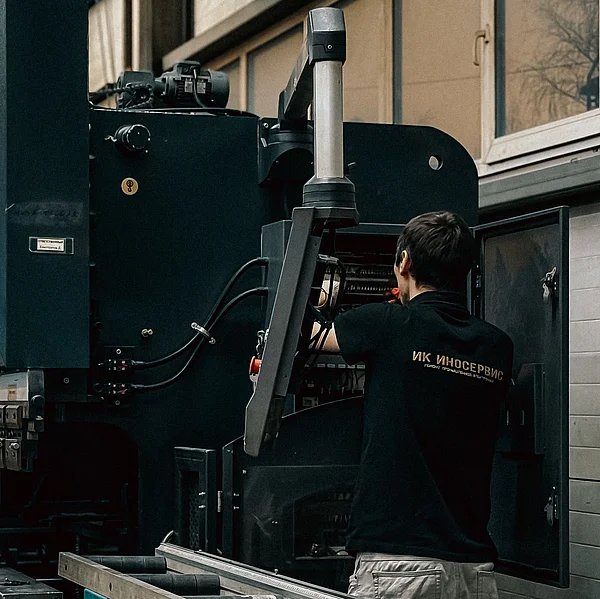
Quality is a major concern in electronics and industrial equipment. Products must be reliable, reproducible, and meet customer expectations. Companies must also be able to track versions, components, materials, operations, inspections, and related documents.
Traceability helps ensure this organizational structure. It facilitates the tracking of changes, the management of nonconformities, audits, maintenance, and continuous improvement.
TopSolid enables the structuring of technical and industrial data within a cohesive environment. Models, drawings, bills of materials, programs, quality documents, and manufacturing information can be more effectively linked together.
This control over documentation is particularly important for long-life technical equipment, products subject to evolution, and demanding industrial manufacturing processes.
Optimizing manufacturing processes
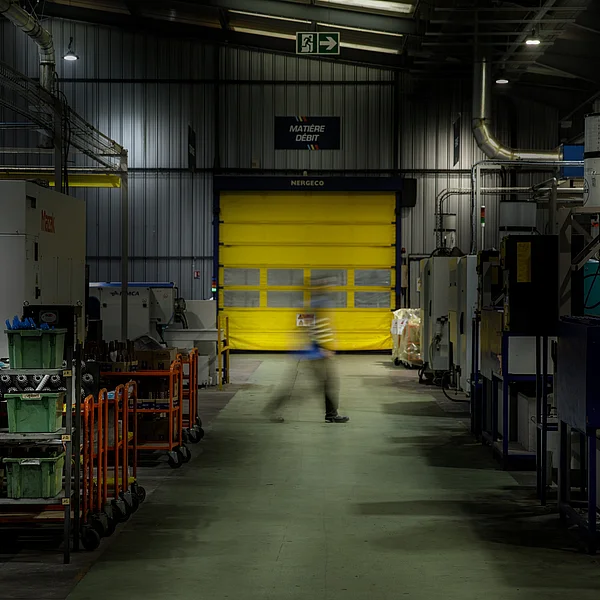
In both electronics and industrial equipment, performance depends on the ability to produce quickly, accurately, and at the right cost. Process optimization involves the design office as well as production methods, the shop floor, and industrial management.
It may involve:
- reducing design time;
- reducing rework;
- automating certain tasks;
- standardizing components;
- optimizing machined parts;
- preparation of sheet metal parts;
- management of bills of materials;
- planning of production orders;
- cost tracking;
- reducing assembly errors.
Thanks to a comprehensive digital workflow, manufacturers can better leverage their expertise, improve the reliability of their methods, and increase productivity.
Applications for electronics and industrial equipment
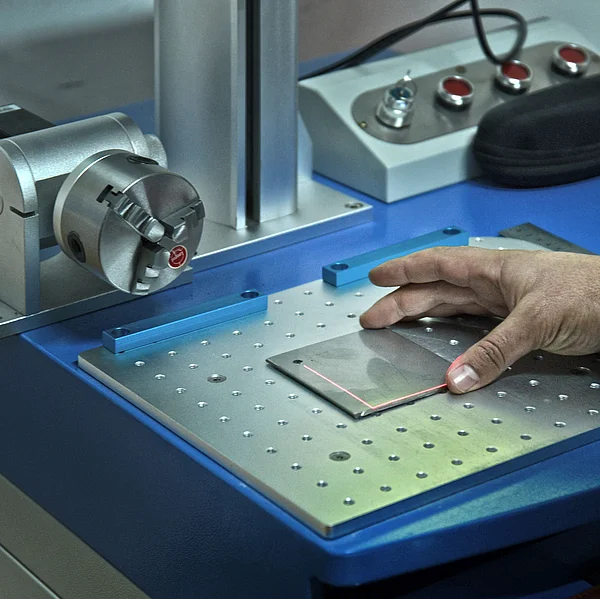
TopSolid meets the needs of numerous applications in electronics and industrial equipment:
- electronic enclosures;
- chassis and technical structures;
- board carriers;
- fasteners;
- heat sinks;
- covers and protective housings;
- cabinets and enclosures;
- assembly fixtures;
- test benches;
- test equipment;
- machined components;
- sheet metal parts;
- production tooling;
- mechatronic equipment;
- industrial machines and subassemblies.
This diversity requires a solution capable of managing design, precision, technical components, miniaturization, and electronic industrialization within a single industrial framework.
A complete digital workflow, from the design office to the shop floor
Electronics and industrial projects involve numerous departments. Digital continuity enables these teams to collaborate more effectively around a single, consistent set of data.
TopSolid enables the creation of a complete workflow:
- 3D design of parts and assemblies;
- management of technical components;
- integration of mechanical and electronic constraints;
- preparation of drawings and bills of materials;
- part manufacturing;
- CAM programming;
- technical data management;
- ERP/CAPM management;
- tracking of production orders;
- quality documentation;
- change tracking.
This approach helps companies reduce errors, improve internal communication, and accelerate time-to-production.
TopSolid, a partner to manufacturers of electronic and industrial Equipment
Manufacturers of electronic and industrial equipment must meet ever-increasing demands: miniaturization, precision, reliability, electronic industrialization, control over technical components, quality, and traceability.
TopSolid supports these companies with an integrated software suite designed to bridge the gap between design, manufacturing, and industrial management. Thanks to this seamless integration, teams can better design, industrialize, and produce complex technical equipment.
Whether developing a prototype, preparing a pre-production run, manufacturing technical components, or managing industrial production, TopSolid helps companies improve their efficiency, reliability, and competitiveness.
TopSolid'Cam Essential
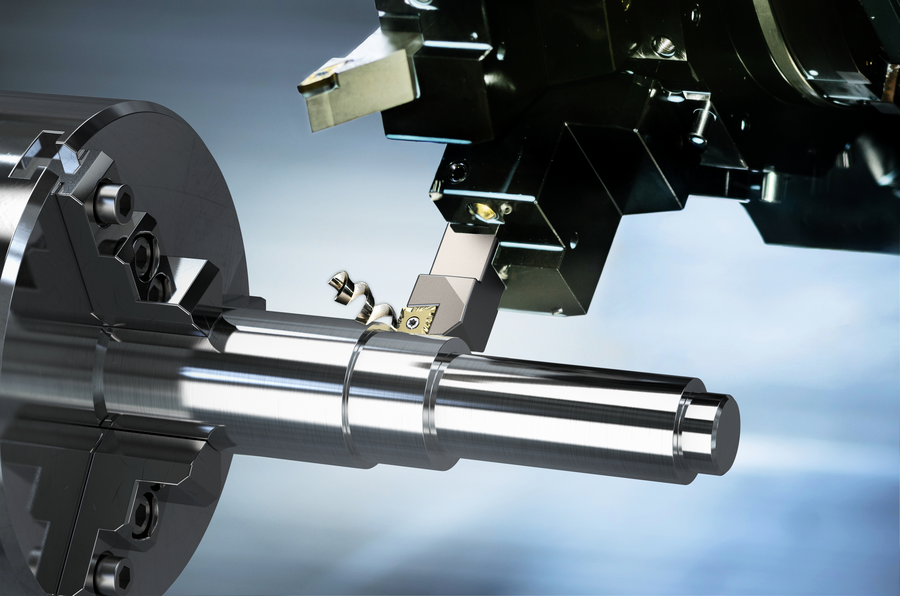
CAM and CAD/CAM software, TopSolid'Cam Essential is the simple and efficient machining solution. Boost your productivity with our intuitive CAD/CAM solution adapted to your workshop.
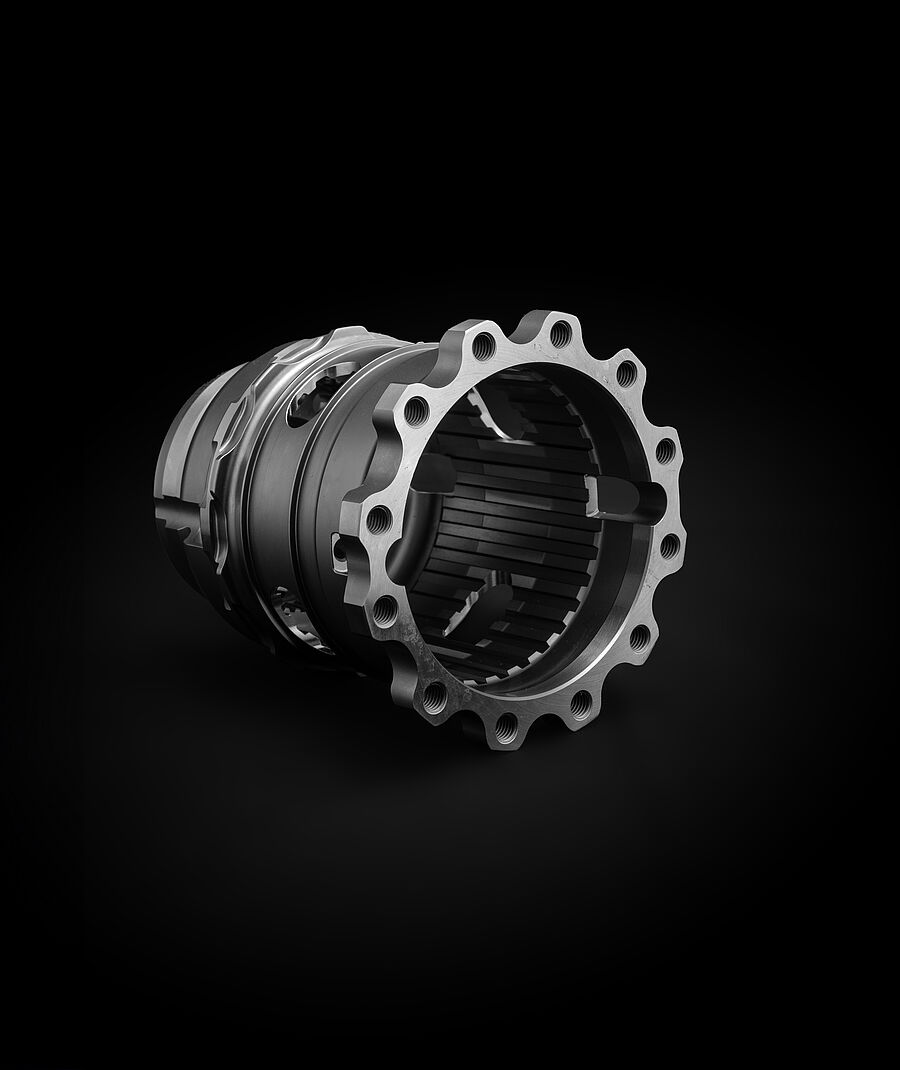
TopSolid'Cam: CAM software
A comprehensive CAD/CAM solution that boosts the competitiveness of your manufacturing process, from 2-axis to 5-axis machining, all within a simple, intuitive, and scalable environment. Guaranteed efficiency at the heart of Industry 4.0.
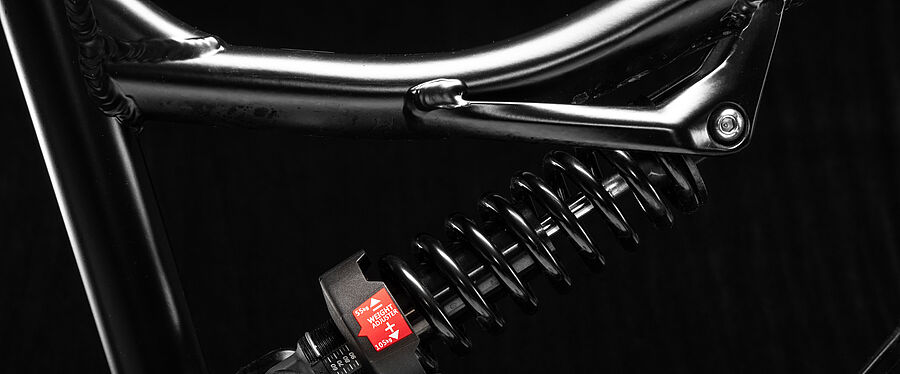
TopSolid'Design
A software solution capable of modeling without limits, even in full 3D, optimizing the most complex assemblies, enhancing collaboration across the entire value chain, and automatically organizing your work. Quite simply, it’s revolutionary.
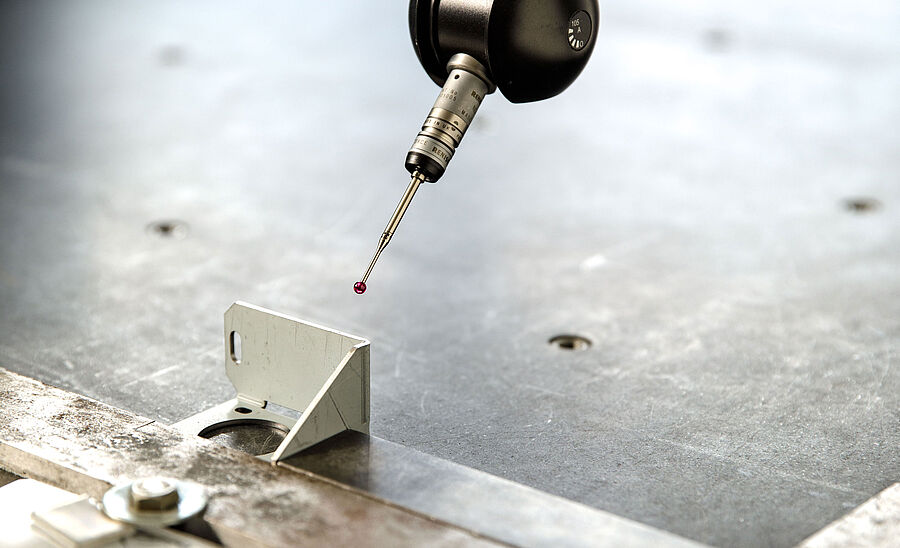
TopSolid'Inspection
A software tool that ensures dimensional inspection, from geometric measurements to complete reports, the perfect assistant for the quality departments of manufacturing companies.

TopSolid'PartCosting
TopSolid'PartCosting, a piece costing program, enables any company in the mechanical engineering industry (machining, sheet metal work, boiler making) to make its estimates more reliable and standardized.
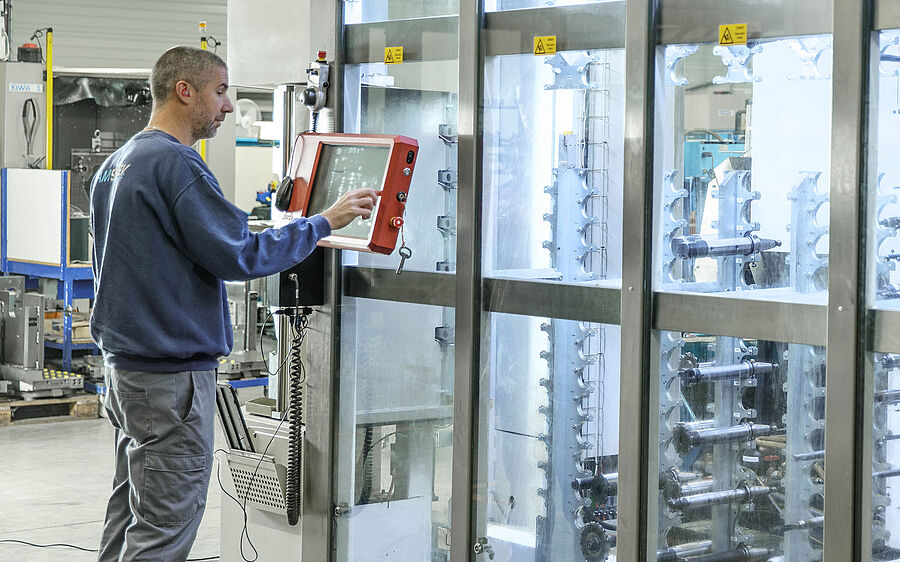
TopSolid'ShopFloor
A modular and scalable ecosystem that reliably and automatically manages all manufacturing workflows, from projects to NC programs, from tooling to stock, offering complete control over your production environment.
Frequently Asked Questions
CAD, CAM, PDM, and ERP software for electronics and industrial equipment

Find the Right TOPSOLID Solution for Your Business
Explore how TOPSOLID can support your industry with integrated solutions designed to connect your processes from design to production.