
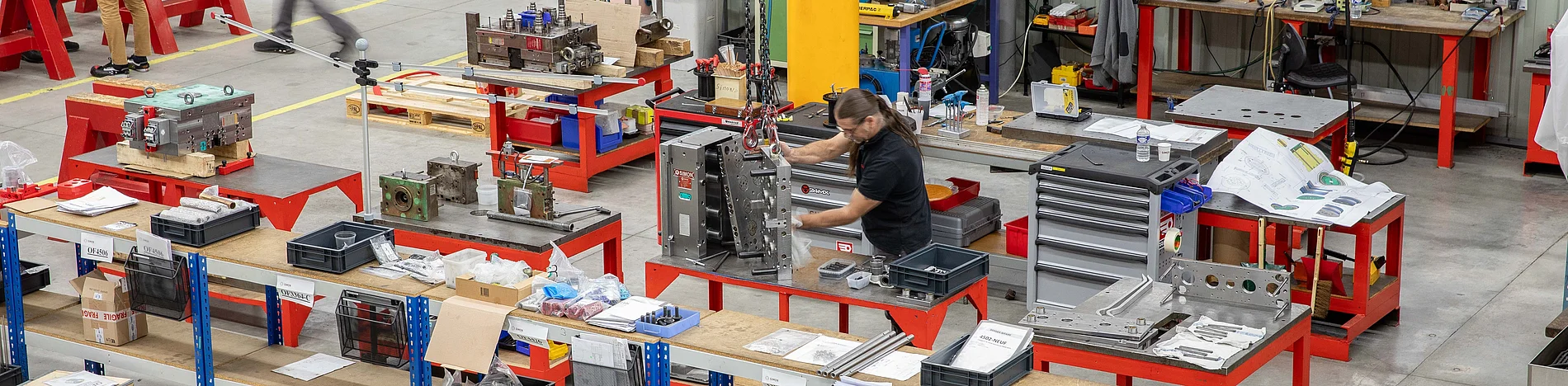
From tool digitalization to continuous industrial workflows
Industrial digital transformation, often associated with concepts such as Industry 4.0 or the connected factory, is not about simply stacking software solutions or selectively modernizing existing tools. It is about transforming the way industrial companies structure, share, and use their data throughout the product lifecycle.
In the most advanced industrial environments, this transformation is based on a key principle of Industry 4.0: data continuity within a connected production system, from design through to manufacturing.
An industry built on a layered system approach
Most industrial organizations have evolved through the successive addition of specialized solutions: CAD for design, CAM for manufacturing, ERP for production management, technical data management tools, and shop floor applications. Each tool serves a specific purpose but operates according to its own logic and data structure. This organization creates disconnects between the different stages of the industrial lifecycle. Information must be transferred, reprocessed, or recreated, leading to version discrepancies, inconsistencies, and limited visibility across the entire process.
The core challenge of industry 4.0
Data Continuity
The transition toward a connected factory requires a structural change in the way product data flows throughout the organization. In a fragmented model, information is recreated or adapted at each stage. In an Industry 4.0 model, data is unique, structured, and continuous. Information created during the design phase should be usable in industrialization, enriched during manufacturing, and leveraged in production without interruption or reprocessing. This continuity directly affects industrial performance, process reliability, and the ability to manage increasing product complexity.
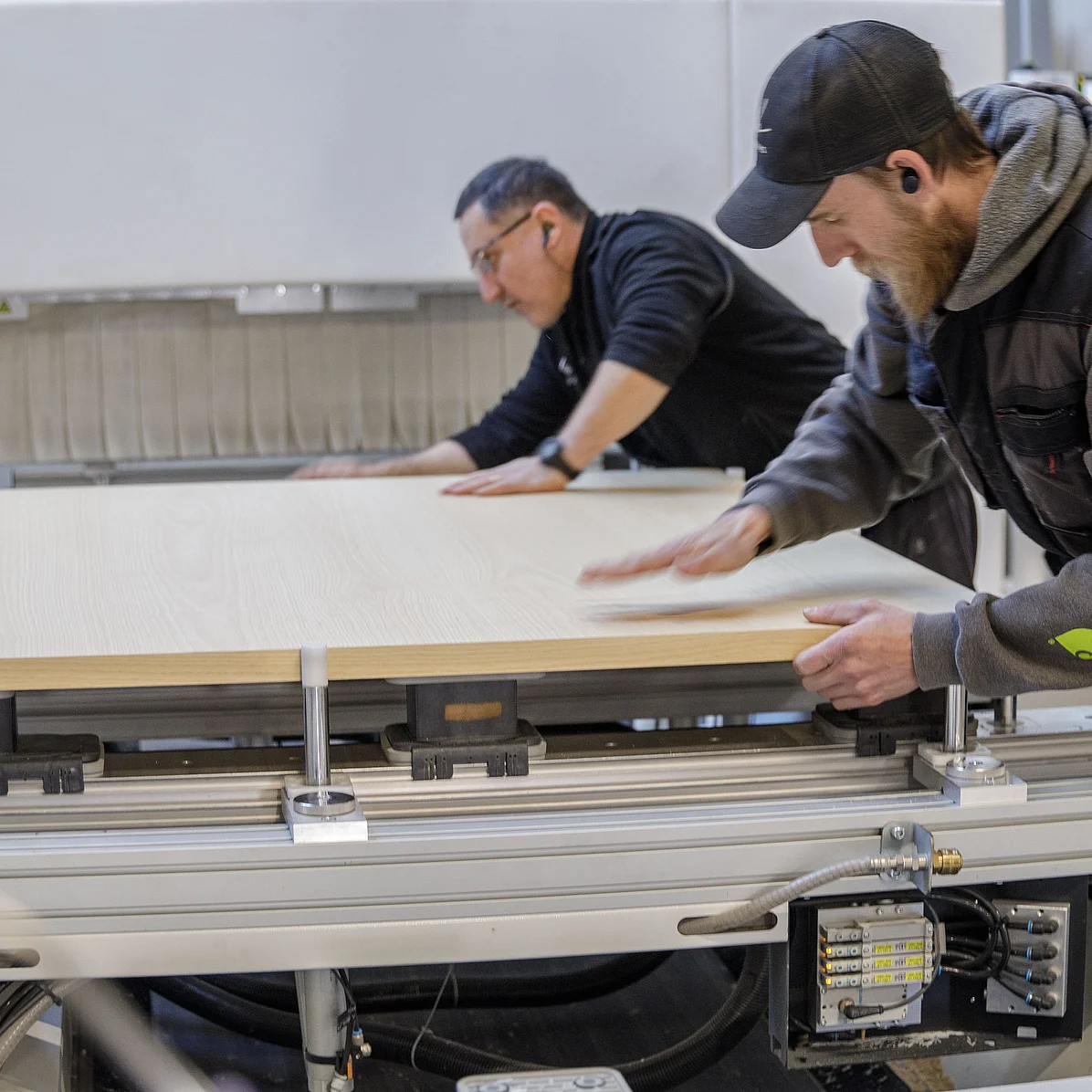
The digital thread as a model for continuity
The digital thread is the practical implementation of Industry 4.0 principles.
It connects every stage of the product lifecycle within a consistent environment: design, industrialization, manufacturing, quality control, and production.
Data no longer moves between independent systems. Instead, it flows through a continuous digital thread throughout the product lifecycle.
This approach transforms the organization into a connected factory, where every function works from a shared and synchronized source of information.
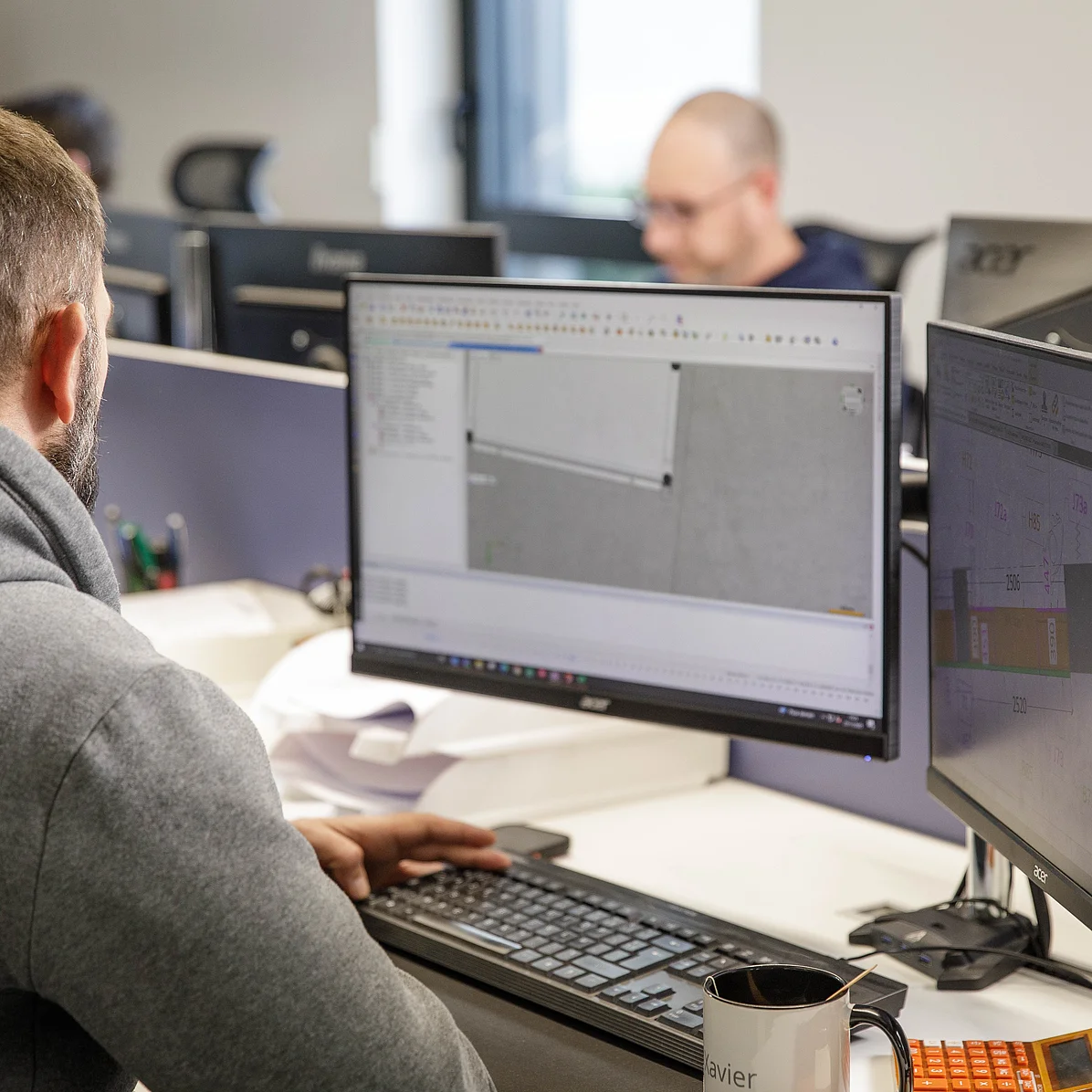
Operational impact on industrial organizations
Implementing an integrated digital thread brings concrete changes to the way industrial companies operate.
Collaboration between engineering and production is simplified. Errors related to file versions are reduced. Time to production is shortened. The traceability of technical decisions is improved.
Beyond efficiency, it also improves coordination between different teams and functions.
An industrial transformation before a technological one
Industrial digital transformation is not solely about IT tools.
It represents an evolution in industrial workflows, the organization of technical data, and the way teams interact.
Technology is an enabler. The real challenge is the ability to build a connected factory in which data is reliable, continuous, and usable at every stage of the product lifecycle.
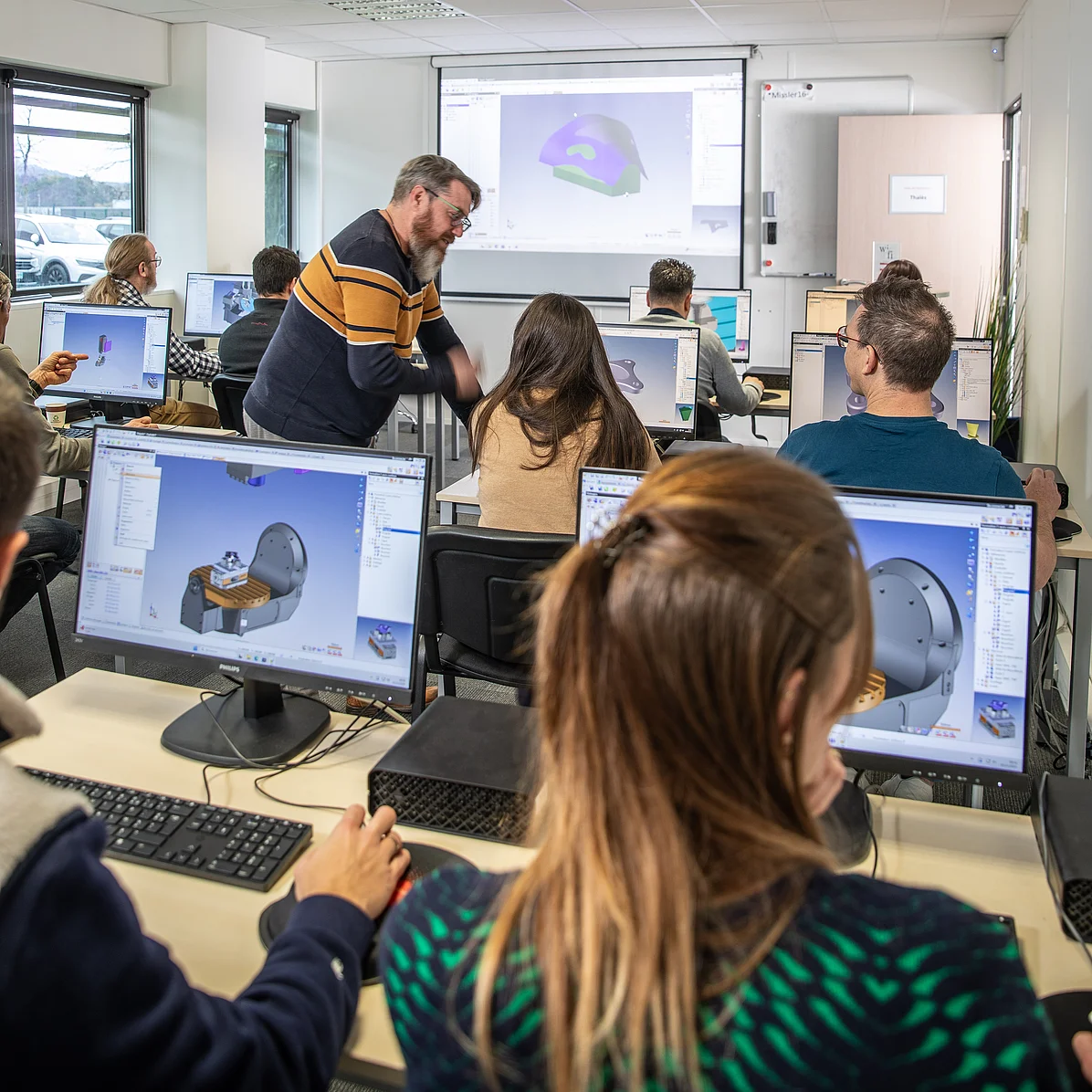
A solution for industry 4.0
The TOPSOLID Approach
TOPSOLID offers an integrated software suite that connects the entire digital thread. It natively connects the key stages of the product lifecycle:
- Design with CAD solutions
- Industrialization and CAM
- Technical data management (PDM / SDM)
- Production management with ERP
- Shop floor execution and monitoring
- Process simulation and optimization
This continuity enables teams to work from a single source of information, without disconnects between systems.
An approach adapted to different industrial environments
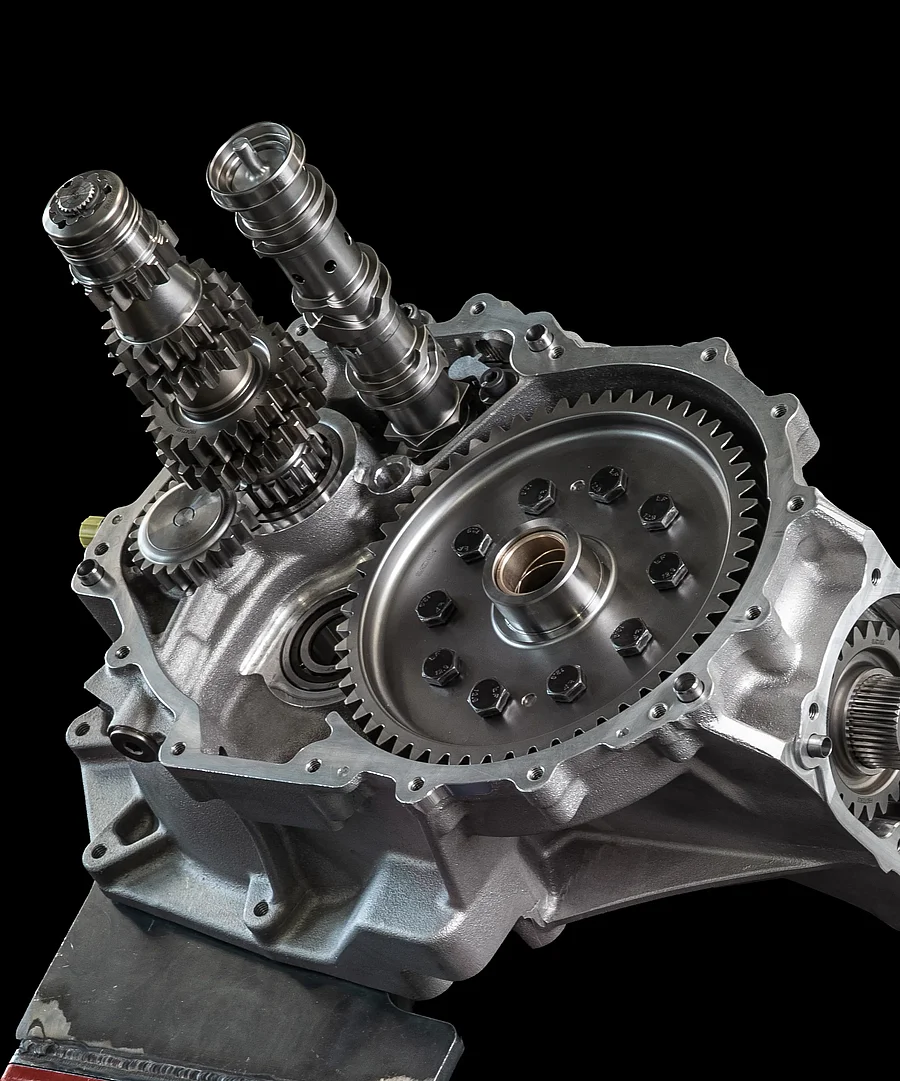
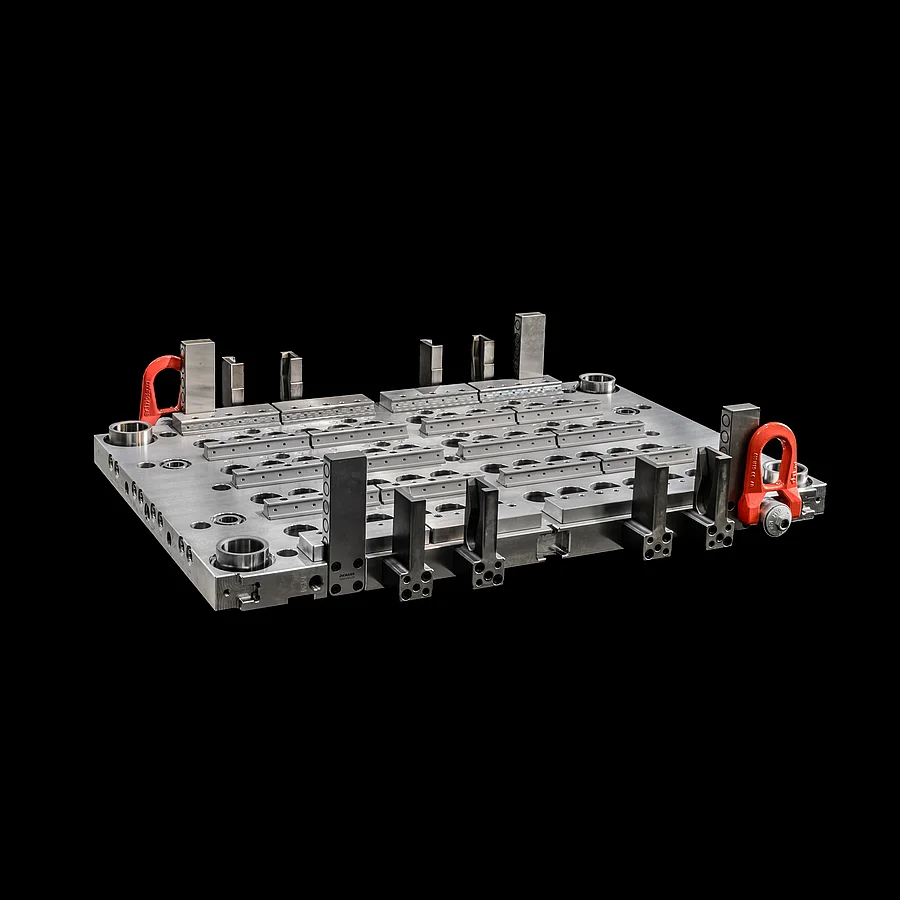
Each industrial sector has its own constraints and levels of complexity. This is why TOPSOLID offers solutions designed for key industrial sectors, including precision engineering, tooling, sheet metal fabrication, metalworking, woodworking, and digital engineering. This approach makes it possible to adapt the digital thread to the operational realities of each industry.




Building a more cohesive industrial organization
Industrial digital transformation aims to build an organization in which data flows reliably and continuously. In this model, performance no longer depends solely on the tools being used, but on the ability to maintain overall consistency throughout the entire production lifecycle.
Going Further
Every industrial company starts from a different point and faces its own specific challenges. TOPSOLID teams support manufacturers in analyzing their workflows, identifying data disconnects, and building a digital thread that meets the requirements of Industry 4.0.



Let’s Talk About Your Project
Connect with our team to discuss your objectives, challenges, and next steps.