

Energy: a demanding and strategic industrial sector
The energy sector encompasses a wide range of activities: renewable energy, hydroelectric power, wind power, solar power, nuclear power, oil, gas, thermal equipment, electrical infrastructure, industrial maintenance, and the manufacturing of critical mechanical components.
These fields have one thing in common: they rely on complex industrial equipment, which is often subject to stringent requirements for safety, performance, traceability, and availability. In this context, design quality, machining precision, the reliability of technical data, and process control are essential.
Energy industry manufacturers must design, manufacture, assemble, inspect, and maintain parts that are often heavy, expensive, and difficult to produce. A programming error, poor planning of assembly processes, or a loss of information between teams can have a direct impact on lead times, costs, and the final reliability of the equipment.
TopSolid supports companies in the energy sector with an integrated CAD, CAM, PDM, ERP, and shop floor approach, designed to connect design, industrialization, machining, quality, and industrial management.
Heavy infrastructure: design and manufacture with precision
Heavy infrastructure in the energy sector requires robust, precise, and thoroughly documented components. Turbines, housings, shafts, supports, welded structures, flanges, heat exchangers, valve bodies, transmission assemblies, and large-scale parts must be designed and manufactured to the highest standards.

These parts are often subject to high stresses:
- large dimensions;
- expensive materials;
- long machining times;
- tight tolerances;
- stringent inspection requirements;
- comprehensive technical documentation;
- traceability of versions and modifications;
- coordination between the design office, production planning, and the shop floor.
In this context, digital continuity becomes an essential driver. It enables better use of design data, preparation of manufacturing operations, assurance of assembly quality, and anticipation of risks before the work moves to the shop floor.
For manufacturers and subcontractors in the energy sector, mastering these large mechanical assemblies is a direct competitive challenge.
Complex industrial equipment: mastering technical data
Complex industrial equipment used in the energy sector often combines several technologies: mechanics, boilermaking, sheet metal work, metal structures, machining, assembly, inspection, hydraulics, electrical equipment, and specialized components.
The design and manufacture of this equipment require reliable technical data that is shared and can be utilized by all departments. The 3D model, drawings, bills of materials, work instructions, machining programs, quality documents, and ERP information must remain consistent throughout the project.

An integrated solution helps minimize gaps between stages:
- part and assembly design;
- importing and adapting existing models;
- assembly definition;
- machining preparation;
- path simulation;
- generation of technical documents;
- management of part numbers and revisions;
- tracking costs, deadlines, and procurement;
- traceability of operations and inspections.
This approach is particularly well-suited for companies that manufacture custom-designed equipment, technical subassemblies, or critical components for energy facilities.
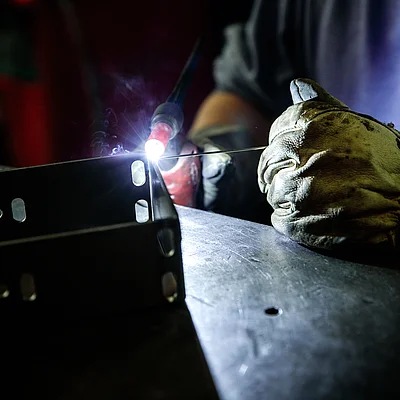
Large mechanical assemblies: planning for assembly and manufacturing
Large mechanical assemblies present a unique challenge. They require a comprehensive understanding of the product as a whole, as well as a thorough mastery of each individual component.
In the energy sector, these assemblies may include large parts, machined components, mechanically welded elements, support structures, connecting parts, or moving systems. Their manufacturing requires precise coordination between design, methods, procurement, production, and quality control.
A coherent digital workflow makes it possible to anticipate assembly issues, verify interfaces, manage part numbers, generate the necessary documentation, and prepare the manufacturing steps.
For manufacturers, the challenge is to reduce misinterpretations, better manage changes, and ensure greater reliability during final assembly.
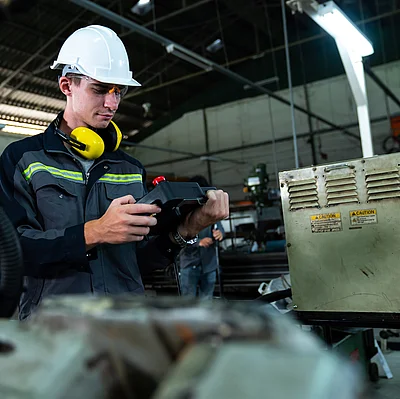
Maintenance and reliability: extending the service life of equipment
In the energy sector, equipment must operate for long periods, often in demanding environments. Maintenance and reliability are therefore central to industrial challenges.
A poorly designed, poorly machined, or poorly documented part can lead to downtime, repair costs, and operational risks. Conversely, well-managed technical data facilitates maintenance, component replacement, repairs, the remanufacturing of parts, and the management of design changes.
TopSolid enables companies to better capitalize on technical information related to parts, assemblies, and manufacturing processes. Teams can more easily locate models, drawings, associated documents, and data useful for production or repair.
This ability to capitalize on technical expertise is particularly important for companies working on long-life equipment, replacement parts, industrial maintenance operations, or modernization programs.
Precision machining for heavy and high-cost parts
Machining in the energy sector often involves parts with high added value. The raw materials may be large, the materials expensive, and machining times lengthy. Under these conditions, there is very little room for error.
CAM preparation must ensure safe toolpaths, simulate operations, optimize cutting conditions, and minimize the risk of collisions or rework. Effective management of machine environments, tools, clamping systems, and post-processors is therefore critical.
TopSolid’Cam addresses these needs by enabling users to program, simulate, and ensure the reliability of machining operations. Manufacturers can thus reduce setup times, ensure program reliability, and make better use of their machine fleet.
Optimizing industrial processes in the energy sector
Industrial performance in the energy sector does not depend solely on the quality of design or machining. It also relies on the overall organization of the process: information flow, priority management, supply chain management, tracking of production orders, quality control, and adherence to deadlines.

Process optimization can involve:
- reducing data re-entry;
- automating repetitive tasks;
- standardizing methods;
- reusing proven work instructions;
- improved tool management;
- pre-machining simulation;
- automatic document generation;
- tracking of production costs;
- improved traceability;
- coordination between departments.
With an integrated software suite, companies can more effectively connect the design office, production planning, the shop floor, quality control, and industrial management.
Traceability, quality, and technical documentation
The energy sector often imposes high standards for quality and traceability. Manufacturers must be able to document parts, track versions, manage changes, retain manufacturing information, and meet the requirements of their customers or clients.
Technical documentation therefore plays a central role. Drawings, bills of materials, work instructions, schedules, inspection sheets, quality reports, and production data must be reliable, accessible, and consistent.
TopSolid helps companies structure this data and minimize the risk of information gaps. This control over documentation helps ensure project security, facilitate audits, and improve the overall reliability of production.
A seamless digital workflow for energy manufacturers
Energy manufacturers must manage long, technical, and often multi-stakeholder projects. The ability to maintain consistent digital data from the quote stage through manufacturing is becoming a major competitive advantage.

TopSolid enables the creation of a continuous digital workflow:
- 3D design of parts and assemblies;
- model and revision management;
- preparation of assemblies;
- CAM programming;
- simulation of machining paths;
- Generation of shop floor documents;
- quality control;
- ERP/CAPM management;
- procurement management;
- tracking of costs, deadlines, and work orders.
This digital continuity enables better control over industrial projects, reduces lead times, and ensures the reliable production of complex energy equipment.
Adopt the latest machining solutions tailored to new energy sources
The energy market faces major challenges related to current regulations, document traceability, and shorter delivery times—all while operating at increasingly lower costs. With its fully integrated management tool and design tools unique to its CAD, CAM, and ERP software, discover how TopSolid helps you effectively address these challenges.
Capitalize on and consolidate your expertise
Because the parts are often very large and the raw materials very expensive, scrap is extremely costly. The machining process for these types of parts leaves no room for improvisation. Thanks to its savable methods, processes, and realistic simulation, TopSolid enables you to capitalize on your expertise and apply it to your production.
Minimize setup times
Precise machine definitions, environment management, cutting conditions, and custom post-processors enable TopSolid to eliminate all risks and minimize program setup time on the shop floor.
Tailored machining strategies
With TopSolid, users can select the parameters best suited to their needs from a comprehensive library of strategies and options. For example, the rounding of edges between tubes after welding is handled, as are all possible drilling cycles, from the most basic to the most complex.
CAD software with integrated, transparent PDM
With TopSolid, users can rename a part at any time without worrying about losing references in the assemblies that use it. Parts and assemblies currently being modified are visible to everyone (thanks to the available lock system). You can work in offline mode (reserving parts and assemblies for editing) and reassemble them without being disrupted by concurrent edits.

Applications in the Energy Sector
TopSolid meets the needs of numerous professions and applications in the energy sector:
- wind power: mechanical components, structures, transmission parts, mounts, tooling, and maintenance;
- solar: support structures, industrial equipment, fasteners, mounts, and associated mechanical systems;
- hydropower: turbines, shafts, housings, flanges, valves, large-scale components, and maintenance parts;
- nuclear power: mechanical components, tooling, critical parts, technical documentation, and enhanced traceability;
- oil and gas: valve bodies, flanges, fittings, pressure vessels, machined parts, and complex mechanical components;
- thermal equipment: heat exchangers, supports, mechanical assemblies, replacement parts, and industrial subassemblies;
- industrial maintenance: remanufacturing, repair, modification of existing parts, and management of technical upgrades.
This diversity requires solutions capable of managing the complexity of parts, the size of assemblies, manufacturing constraints, and documentation requirements.
TopSolid: partner to the energy sector
In the field of renewable energy in particular - such as solar or wind power - TopSolid offers specialized features for the design and modeling of complex systems.
Using advanced tools, designers can create realistic models of wind farms, solar farms, and hydroelectric power plants, thereby optimizing the production and sustainable use of natural resources.
The manufacturing of energy equipment requires precision and superior quality to ensure reliable and safe operation.
TopSolid supports energy companies in addressing their challenges related to precision, productivity, traceability, and maintenance. Thanks to an integrated software suite, teams can better leverage their expertise, secure their projects, reduce development times, and improve the reliability of their production.
Whether it involves manufacturing large mechanical assemblies, machining high-value parts, designing complex industrial equipment, or enhancing the maintenance and reliability of facilities, TopSolid helps manufacturers build a more efficient digital supply chain.
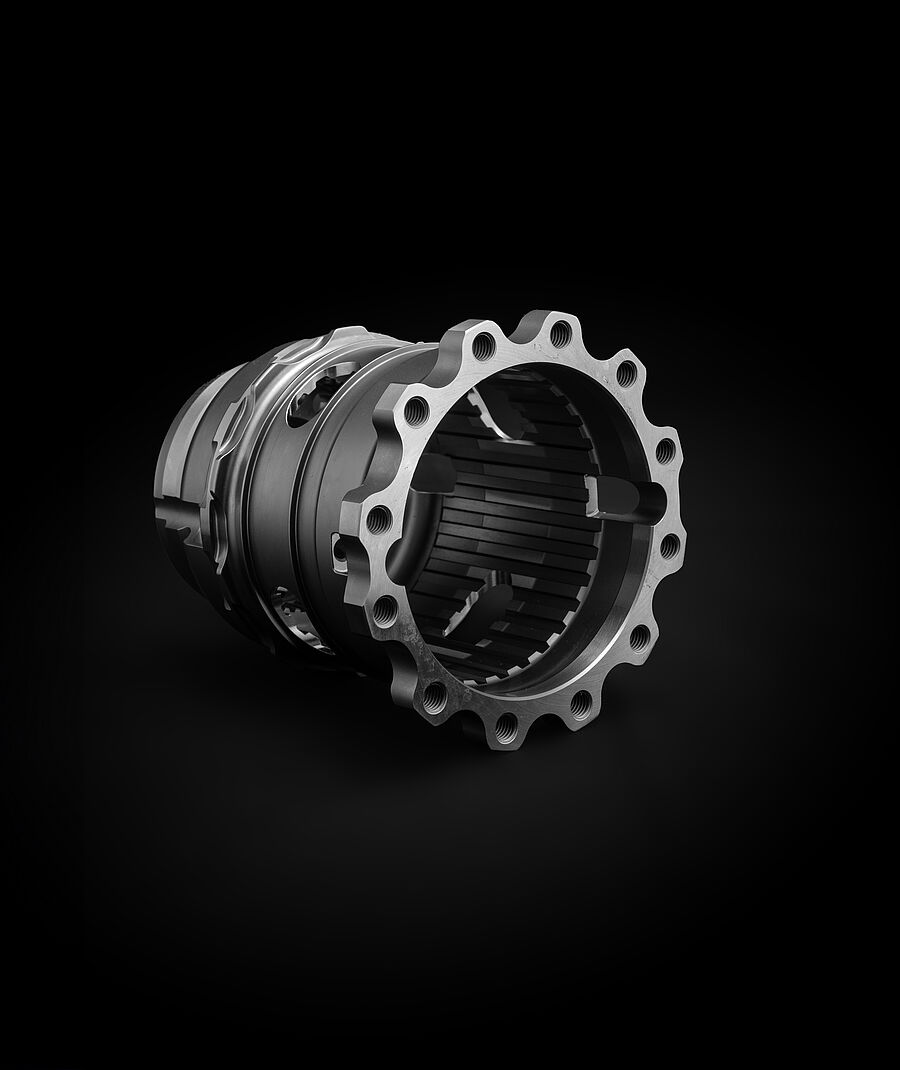
TopSolid'Cam: CAM software
A comprehensive CAD/CAM solution that boosts the competitiveness of your manufacturing process, from 2-axis to 5-axis machining, all within a simple, intuitive, and scalable environment. Guaranteed efficiency at the heart of Industry 4.0.
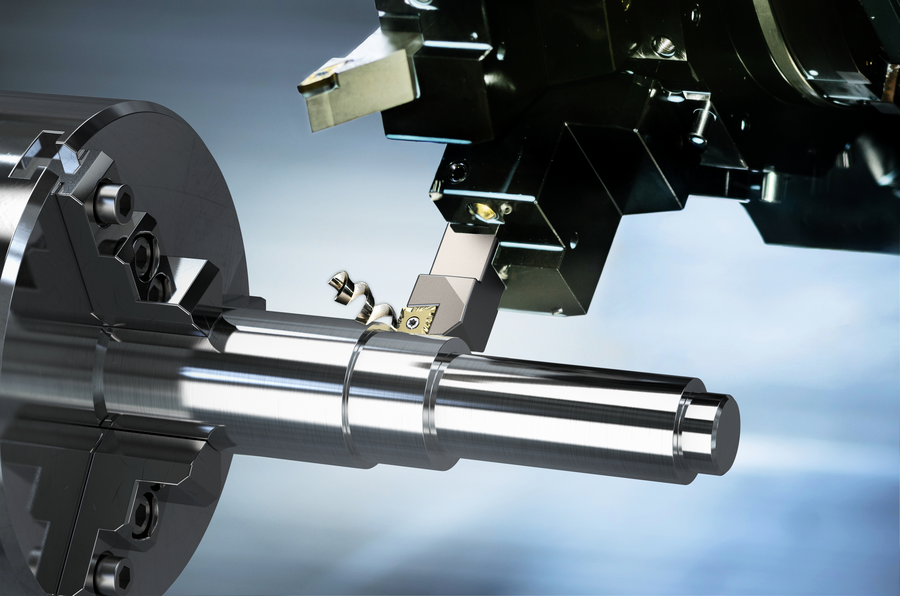
TopSolid'Cam Essential
CAM and CAD/CAM software, TopSolid'Cam Essential is the simple and efficient machining solution. Boost your productivity with our intuitive CAD/CAM solution adapted to your workshop.
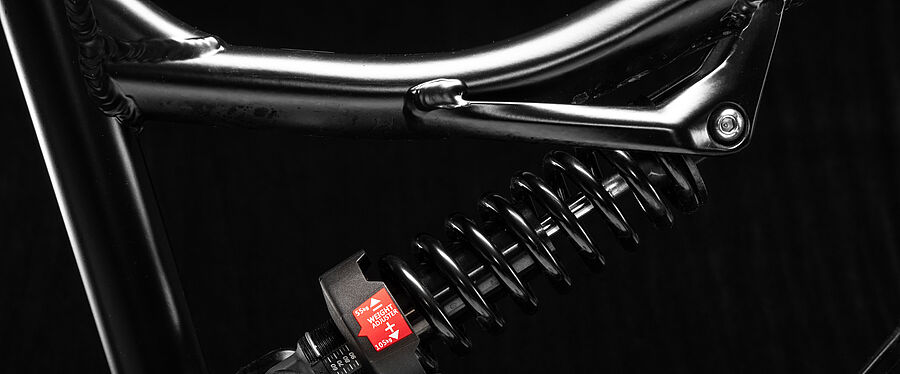
TopSolid'Design
A software solution capable of modeling without limits, even in full 3D, optimizing the most complex assemblies, enhancing collaboration across the entire value chain, and automatically organizing your work. Quite simply, it’s revolutionary.
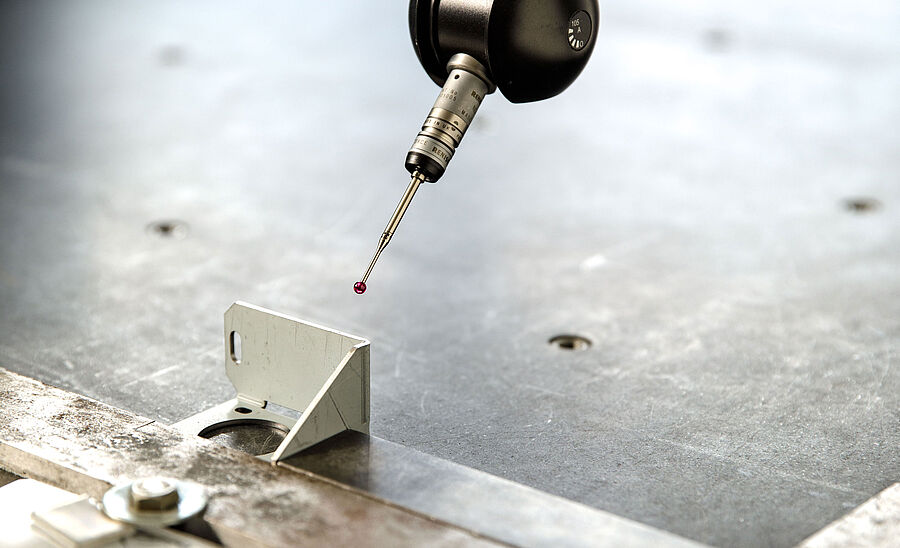
TopSolid'Inspection
A software tool that ensures dimensional inspection, from geometric measurements to complete reports, the perfect assistant for the quality departments of manufacturing companies.

TopSolid'PartCosting
TopSolid'PartCosting, a piece costing program, enables any company in the mechanical engineering industry (machining, sheet metal work, boiler making) to make its estimates more reliable and standardized.
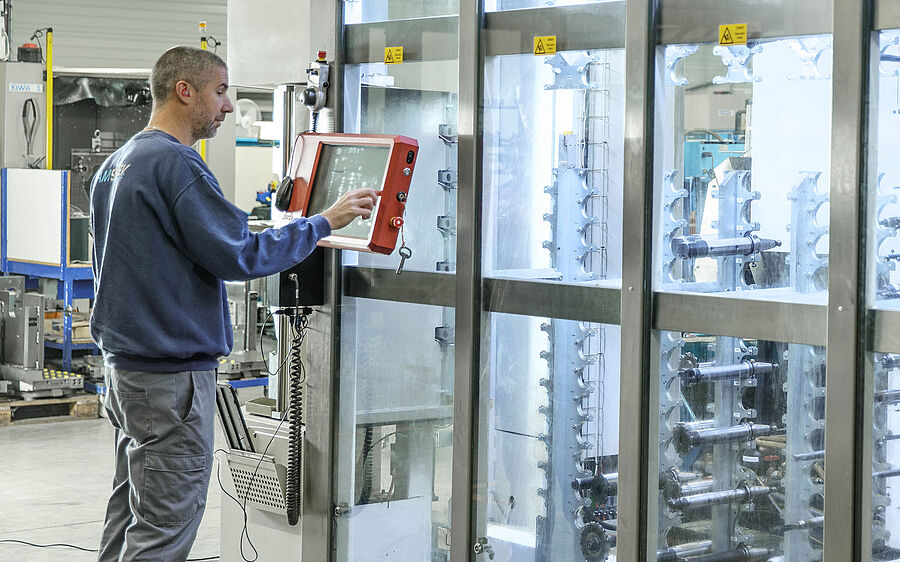
TopSolid'ShopFloor
A modular and scalable ecosystem that reliably and automatically manages all manufacturing workflows, from projects to NC programs, from tooling to stock, offering complete control over your production environment.
Frequently Asked Questions
CAD, CAM, and ERP software for the energy sector

Find the Right TOPSOLID Solution for Your Business
Explore how TOPSOLID can support your industry with integrated solutions designed to connect your processes from design to production.