

Medical: an industry where precision allows for no compromise
The medical industry is among the most demanding sectors in terms of design, machining, quality, and traceability. Prosthetics, implants, surgical instruments, dental devices, orthopedic equipment, medical devices, laboratory components, and parts for medical equipment must meet high technical standards.
In this environment, high precision is not merely an industrial goal. It determines product reliability, process repeatability, and manufacturers’ ability to meet the expectations of the medical market.
Companies must produce critical parts—often complex, sometimes miniaturized—made from materials that are difficult to machine. They must also manage their data, document their processes, secure their machine programs, and ensure consistent quality, from single parts to mass production.
TopSolid supports manufacturers in the medical industry with an integrated CAD/CAM approach designed to link design, programming, machining, inspection, and technical data management.

A Natural and Obvious Choice for These Specific Manufacturers
For over twenty years, the medical industry has trusted TopSolid. Whether machining any type of prosthesis, medical equipment, or devices, TopSolid CAD/CAM software delivers with efficiency and precision. Complex machines (5-axis, MillTurn) have also become commonplace in this sector’s workshops, and the drive for productivity has not spared these industries. The demand for perfection inherent in the medical field, along with the use of specialized materials, requires rigorous standards, continuous traceability, and modern, tailored strategies.
For all these reasons, TopSolid is the right choice.
From custom-made to mass production: TopSolid adapts
Beyond their highly secure nature, the needs of this sector range from single-unit parts to large-scale production runs. There is one common denominator: complex materials, machining strategies that must be tailored to the future application, and flawless traceability.
CAD/CAM software: production is about more than just the part
Whether it’s prosthetics, storage bins, tooling, or packaging, an entire ecosystem is required. TopSolid meets all requirements across all fields. This industry has very quickly come to demand traceability and quality. Because TopSolid CAD/CAM software does more than just generate ISO code—it encompasses the entire process—we have become one of the major players in this market.
Budget constraints are now affecting this sector as well
As in all industries, the medical sector is facing falling sales prices. Companies have had to find more competitive production methods, and complex machines have flooded the workshops. At the same time, TopSolid has also drastically reduced programming and modification times to help you gain a competitive edge.
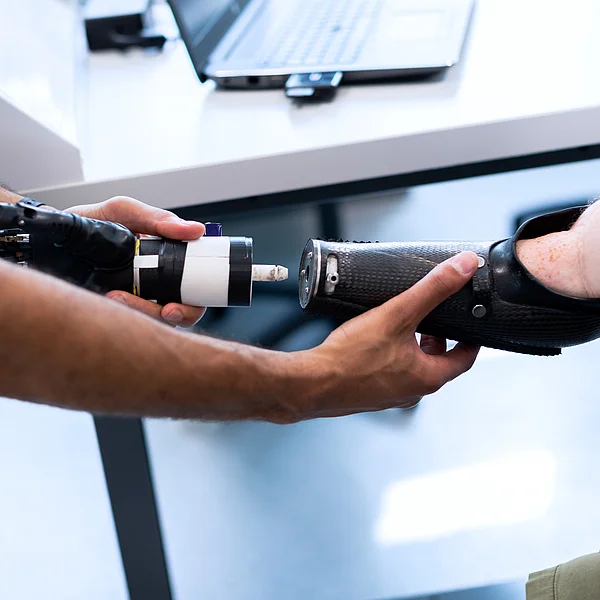
High precision: designing and machining complex medical parts
The manufacture of medical devices requires precise control over shapes, tolerances, and surface finishes. Parts may feature complex geometries, sensitive functional areas, organic surfaces, anatomical shapes, or very small details.
This pursuit of high precision applies in particular to:
- orthopedic prostheses;
- implants;
- dental components;
- surgical instruments;
- medical equipment parts;
- laboratory machine components;
- associated tooling and manufacturing equipment.
In this context, CAD/CAM plays a central role. It enables users to prepare machining operations based on 3D models, simulate toolpaths, anticipate collisions, optimize machining strategies, and minimize the risk of errors before production begins.
For medical device manufacturers, this continuity between the digital model and manufacturing is essential to ensuring reliable, repeatable, and high-performance production.
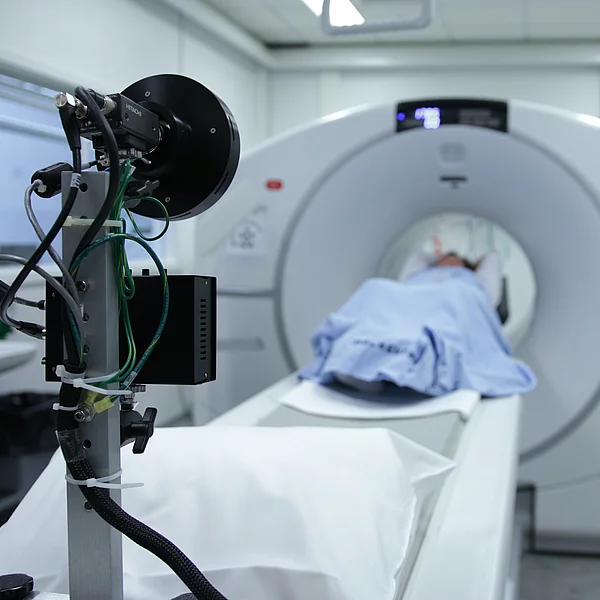
High-performance CAD/CAM solutions for the medical industry
TopSolid offers high-performance CAD/CAM solutions for the medical industry, enabling the optimization of production processes, cost reduction, and consistent quality of final products.
Thanks to CNC machine programming capabilities, manufacturers can produce complex medical devices with maximum efficiency.
Regulatory compliance: structuring data and processes
The medical sector operates in a highly regulated environment. Manufacturers must be able to demonstrate control over their processes, document their operations, and retain the information necessary to track their production.
Regulatory compliance relies in particular on the quality of technical data, version control, the traceability of operations, the consistency of documents, and the ability to quickly retrieve information related to a part or a project.
An integrated digital solution helps better organize these elements:
- management of 3D models and part numbers;
- consistency between design, programming, and manufacturing;
- generation of technical documents;
- tracking of changes;
- capitalization of machining strategies;
- securing shop floor data;
- preparation of materials needed for quality control.
The goal is not merely to produce a compliant part. It is also to have a work environment capable of supporting the documentation and organizational requirements specific to the medical sector.
Miniaturization: addressing the complexity of new devices
Miniaturization is a major challenge in many areas of the medical field. Devices are becoming more compact, more precise, more functional, and sometimes more customized. This evolution requires the manufacture of parts that are smaller, more complex, and more difficult to inspect.
Machining miniaturized components requires a high degree of precision. Toolpaths must be perfectly controlled, tools must be appropriately selected, cutting conditions must be optimized, and rework must be minimized as much as possible.
CAD/CAM supports this evolution by providing a precise programming environment capable of handling complex operations, refined strategies, and pre-manufacturing simulations.
For manufacturers, miniaturization also requires better coordination between design, production methods, the shop floor, and quality control. Every detail matters, from model preparation to the final validation of the part.
Traceability: ensuring security at every stage of manufacturing
In the medical field, traceability is a fundamental issue. Manufacturers must be able to track data associated with their parts, programs, materials, versions, operations, and technical documents.
This traceability helps ensure production security, meet quality requirements, facilitate audits, and better manage changes.
A coherent digital workflow helps minimize information gaps between departments. The design office, production planning, the shop floor, quality control, and production management can all rely on more reliable and better-structured data.
For critical parts, this control is essential. It helps reduce errors, better capitalize on expertise, and ensure greater consistency over time.
Critical parts: reliability, repeatability, and risk management
Critical parts in the medical sector require special attention. They may be used in sensitive devices, precision instruments, or equipment whose proper functioning is essential.
Manufacturing these parts requires perfect control over several parameters:
- choice of materials;
- model preparation;
- machining strategy;
- tool management;
- simulation;
- dimensional inspection;
- documentation;
- operation repeatability.
Even the smallest error can lead to costly scrap, delays, or quality risks. That is why medical manufacturers are seeking solutions capable of making their processes more reliable, reducing setup times, and ensuring secure data transmission to machines.
TopSolid helps teams work with this focus on control, from design through manufacturing.

From single-unit parts to mass production
The medical sector is not limited to a single production model. Some companies produce single parts, prototypes, or customized devices. Others work in small, medium, or large production runs, with stringent requirements for productivity and consistency.
This diversity calls for a solution capable of adapting to different industrial paces. It must be possible to transition from a specific project to repetitive production while maintaining data consistency, program quality, and the traceability of operations.
CAD/CAM enables companies to build on existing strategies, reuse proven methods, standardize certain operations, and reduce programming time. It thus provides flexibility for custom production and improved efficiency for recurring production runs.

Engineering materials: adapting machining strategies
Medical devices can be manufactured from challenging materials: titanium, stainless steel, cobalt-chromium alloys, engineering polymers, biocompatible materials, or composites, depending on the application.
These materials require tailored machining strategies. Cutting conditions, toolpaths, tools, rework, and surface finishes must be carefully controlled to achieve the desired result.
A high-performance CAD/CAM solution enables users to define appropriate toolpaths, simulate operations, optimize machining times, and reduce risks associated with the production of costly parts or those that are difficult to rework.
This adaptability is particularly important for manufacturers working on implants, prostheses, instruments, or high-value-added technical components.

A seamless digital workflow for medical manufacturers
Industrial performance in the medical sector relies on reliable digital continuity. Data must flow seamlessly between design, methods, machining, inspection, and production management.
TopSolid enables this digital workflow to be structured around a cohesive environment:
- design or import of 3D models;
- geometry preparation;
- definition of machining strategies;
- simulation of toolpaths;
- tool and machine environment management;
- program generation;
- preparation of technical documents;
- monitoring of manufacturing data;
- documentation of methods.
This continuity allows teams to save time, minimize data re-entry, reduce errors, and improve the overall reliability of the process.
Applications in the medical industry
TopSolid meets the needs of numerous applications in the medical sector:
- Orthopedics: prostheses, implants, joint components, anatomical parts, and custom devices;
- Dentistry: prosthetic components, implant components, tools, and precision parts;
- Surgical instruments: complex parts, functional surfaces, specific shapes, and finish requirements;
- Medical equipment: mechanical components, subassemblies, machine parts, and technical systems;
- Laboratories: tooling, fixtures, machine components, and parts for analysis or testing;
- Packaging and product environment: trays, holders, technical packaging, and equipment associated with manufacturing or logistics;
- Medical tooling: jigs, fixtures, clamping devices, inspection equipment, and production tools.
This diversity calls for flexible solutions capable of handling high precision, traceability, miniaturization, critical parts, and production constraints.
Quality, productivity, and competitiveness
Medical manufacturers must meet a dual requirement: producing to a high standard of quality while remaining competitive. Economic constraints, deadlines, and documentation requirements demand rigorous organization.
An integrated CAD/CAM solution reduces programming time, improves repeatability, ensures reliable toolpaths, and enables more efficient use of complex machines. It also helps standardize methods and minimize errors across teams.
This pursuit of productivity must never come at the expense of quality. In the medical industry, industrial performance and risk management must go hand in hand.
TopSolid, a partner to manufacturers in the medical sector
The medical sector requires solutions capable of addressing challenges related to high precision, regulatory compliance, miniaturization, traceability, and the manufacturing of critical parts.
TopSolid supports manufacturers in this transformation by offering an integrated CAD/CAM suite tailored to the design and machining requirements of the medical industry. Thanks to a comprehensive approach, companies can better control their processes, secure their data, reduce programming times, and improve the reliability of their production.
Whether producing prosthetics, implants, surgical instruments, medical devices, or related tooling, TopSolid helps manufacturers build a digital workflow that is more efficient, more reliable, and better suited to the sector’s requirements.
TopSolid'Design
A software solution capable of modeling without limits, even in full 3D, optimizing the most complex assemblies, enhancing collaboration across the entire value chain, and automatically organizing your work. Quite simply, it’s revolutionary.
TopSolid'Cam: CAM software
A comprehensive CAD/CAM solution that boosts the competitiveness of your manufacturing process, from 2-axis to 5-axis machining, all within a simple, intuitive, and scalable environment. Guaranteed efficiency at the heart of Industry 4.0.
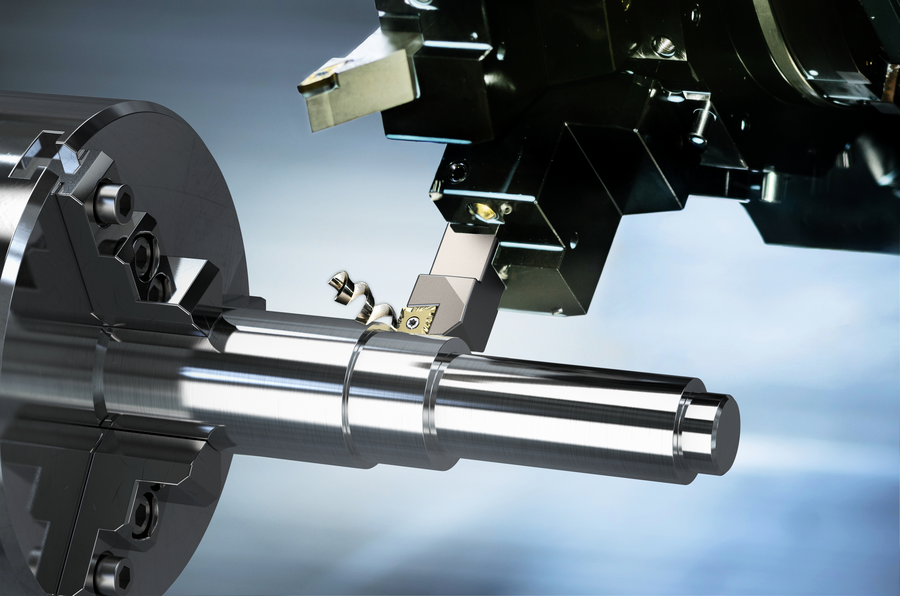
TopSolid'Cam Essential
CAM and CAD/CAM software, TopSolid'Cam Essential is the simple and efficient machining solution. Boost your productivity with our intuitive CAD/CAM solution adapted to your workshop.
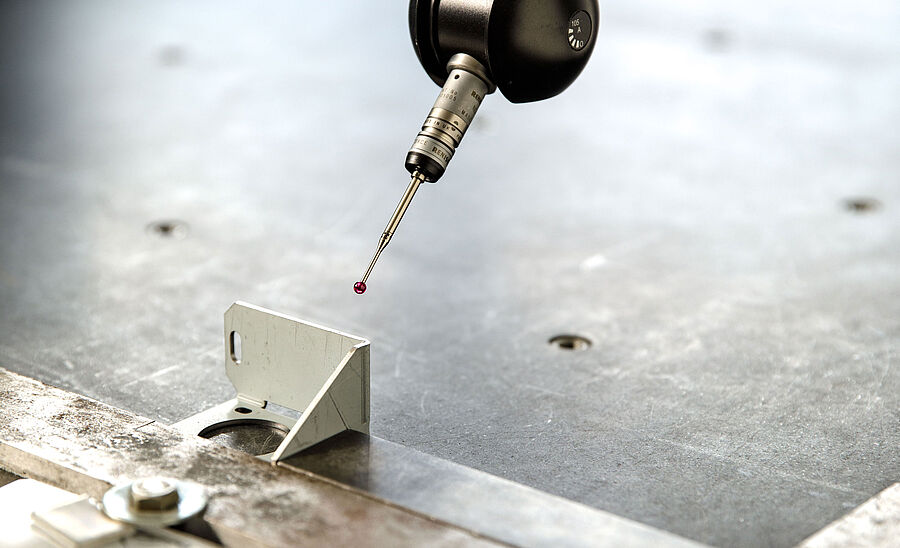
TopSolid'Inspection
A software tool that ensures dimensional inspection, from geometric measurements to complete reports, the perfect assistant for the quality departments of manufacturing companies.

TopSolid'PartCosting
TopSolid'PartCosting, a piece costing program, enables any company in the mechanical engineering industry (machining, sheet metal work, boiler making) to make its estimates more reliable and standardized.
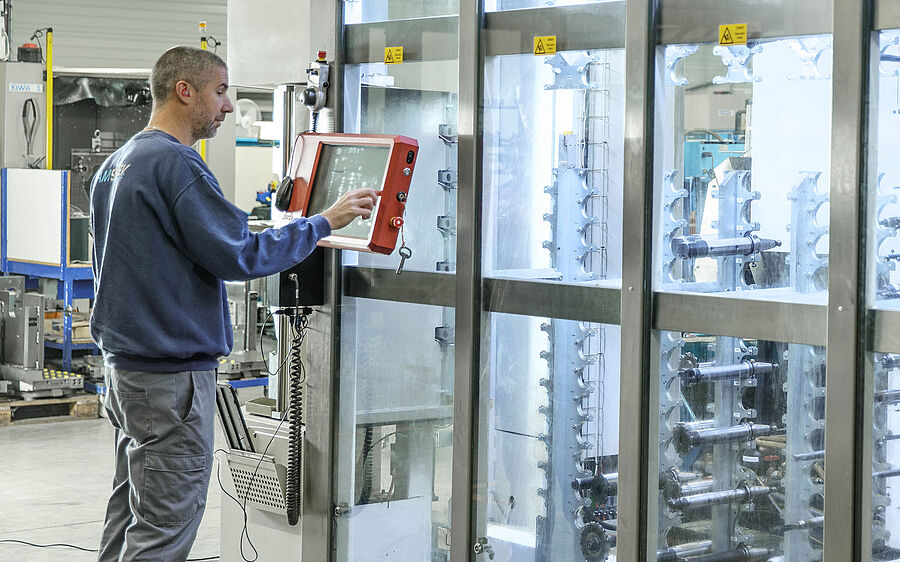
TopSolid'ShopFloor
A modular and scalable ecosystem that reliably and automatically manages all manufacturing workflows, from projects to NC programs, from tooling to stock, offering complete control over your production environment.
Frequently Asked Questions
CAD/CAM software for the medical industry

Find the Right TOPSOLID Solution for Your Business
Explore how TOPSOLID can support your industry with integrated solutions designed to connect your processes from design to production.