

Design your complex machines quickly and efficiently
Design offices are now faced with the challenge of designing series of several thousand parts in reasonable time, so they need software with acceptable response times. The designers of special machinery often have to design unique, highly complex and made-to-measure machines. Working from the customer's specifications, the designer is faced with numerous challenges: creating the functional drawings, breaking down the design into subassemblies, managing standard components from several suppliers, designing specific chassis or parts, simulating the operation of the final machine and producing a set of documents describing how it works. See how TopSolid can effectively meet all these needs.
Mixed design, in-place or by reassembly, in an assembly
- Creation and/or modification of connecting parts
- Synchronization or resolution between the parts of the assembly
- Management of the representations of the parts (simplified, detailed, for simulation, etc.) without any loss of attachment or associativity in the assembly
Exceptional performance
- TopSolid has been completely reworked and rewritten using new software technologies (C#, PDM compatible)
- Automatic and transparent streamlining of models
- Incremental management of changes
- Exceptional management of the memory and large assemblies
- Lightning-fast reaction times, thanks to the use of multi-core technology
An integrated and transparent PDM
With TopSolid, users can change the name of a part at any time, without having to worry about losing the reference of the assemblies used. Parts and assemblies undergoing modifications are made known to all, thanks to the vault option. You can work in offline mode by reserving parts and assemblies for modification, and then reassembling them, without being disrupted by another simultaneous modification.
TopSolid: Expert in Industrial Software Solutions
With its expertise and reputation in the field of industrial software solutions, TopSolid has become a trusted partner for many companies designing special-purpose machines. Our advanced solutions help manufacturers create innovative and high-performance machines, addressing the complex and specific challenges of this constantly evolving sector.
By choosing TopSolid, companies specializing in special-purpose machines can benefit from an integrated and scalable solution for designing, manufacturing, and managing unique and highly efficient machines. Whether for automated production machines, high-tech equipment, or complex control systems, TopSolid provides the necessary tools to develop cutting-edge and technologically advanced special-purpose machines.
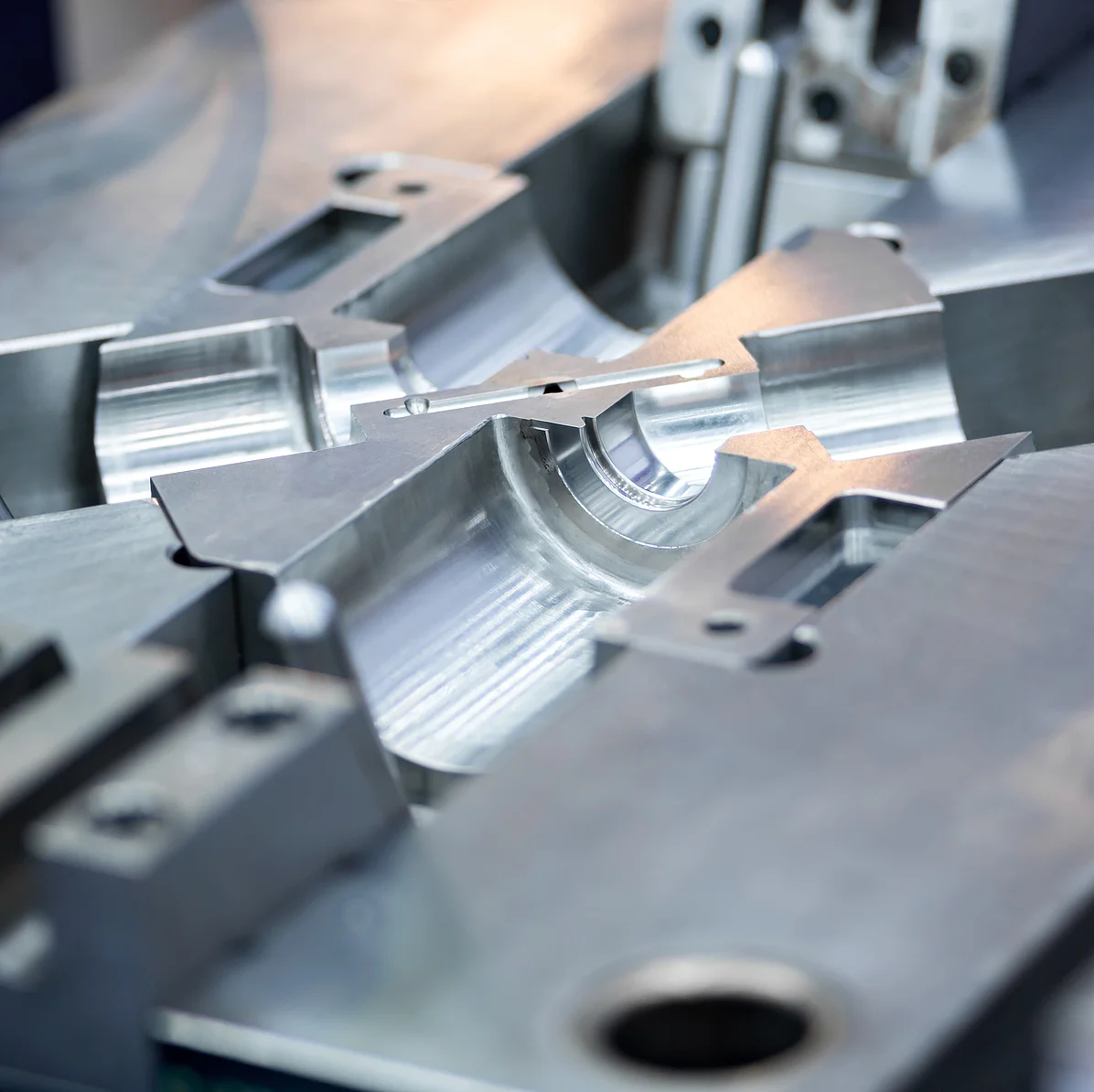
Custom machines: designing the unique with industrial precision
Special-purpose machinery holds a unique place in industry. Unlike standardized equipment, it addresses a specific need, meets specific technical specifications, and operates within a particular production environment. Each project must incorporate the customer’s constraints, production rate targets, safety requirements, available space, production flows, and operational constraints.
In this context, custom design becomes a strategic priority. Design offices must conceive, structure, dimension, document, and refine assemblies that are sometimes highly complex, consisting of thousands of parts. Success depends on the ability to manage large assemblies, integrate standard components, design custom parts, and efficiently prepare for manufacturing.
TopSolid supports specialty machine manufacturers with an integrated approach encompassing CAD, CAM, PDM, ERP, and shop floor operations. The goal is to link engineering, mechanical design, manufacturing, data management, and industrial control into a coherent digital workflow.
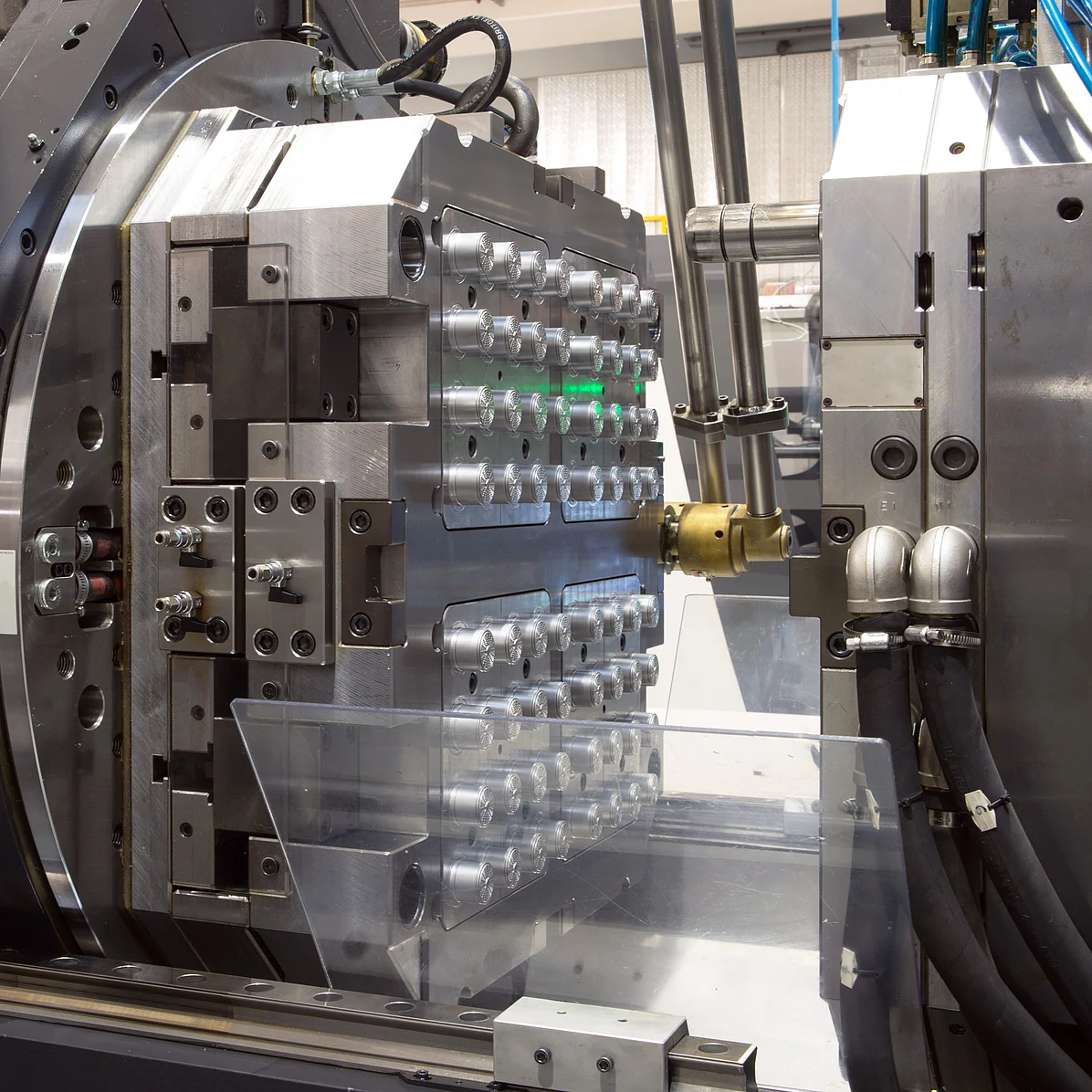
System engineering: structuring functions before detailing parts
The design of a custom machine rarely begins with a single part. It starts with a function to be fulfilled: assembling, controlling, moving, dosing, cutting, machining, packaging, testing, handling, or automating an operation.
System engineering helps structure this process. It involves analyzing the overall requirement, breaking down the machine into functions, organizing subassemblies, defining interfaces, and anticipating interactions between mechanical, automation, electrical, pneumatic, hydraulic, and control systems.
This approach is essential for avoiding inconsistencies later in the process. A custom machine may incorporate conveyors, robots, cylinders, motors, sensors, guides, operator stations, guards, enclosures, tooling, electrical cabinets, and safety devices. Each component must find its place within a coherent whole.
With a structured 3D design, teams can better organize the machine’s overall architecture, validate dimensional requirements, plan access areas, prepare interfaces, and ensure the project’s success moving forward.
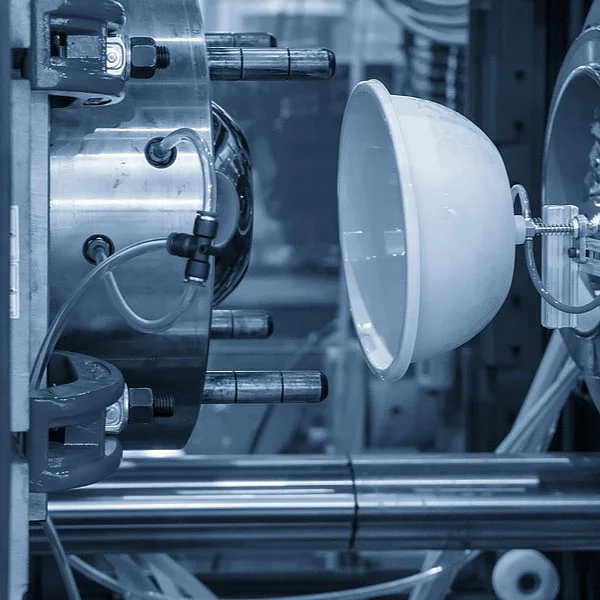
Custom design: precisely meeting customer specifications
Each custom machine is designed to meet a unique need. The client’s specifications may impose constraints regarding production rate, precision, operating environment, maintenance, safety, available space, or integration into an existing production line.
Custom design therefore requires a high degree of flexibility. Teams must be able to quickly adapt subassemblies, create specific parts, integrate off-the-shelf components, modify layouts, and produce variants based on customer feedback.
TopSolid enables this project-based approach, with 3D design tailored to large assemblies and complex machines. Designers can structure their designs around functional subassemblies, manage standard components, modify connecting parts, and maintain associativity between elements.
This continuity is particularly useful when the machine evolves through customer feedback, internal validations, or constraints discovered during the design process.
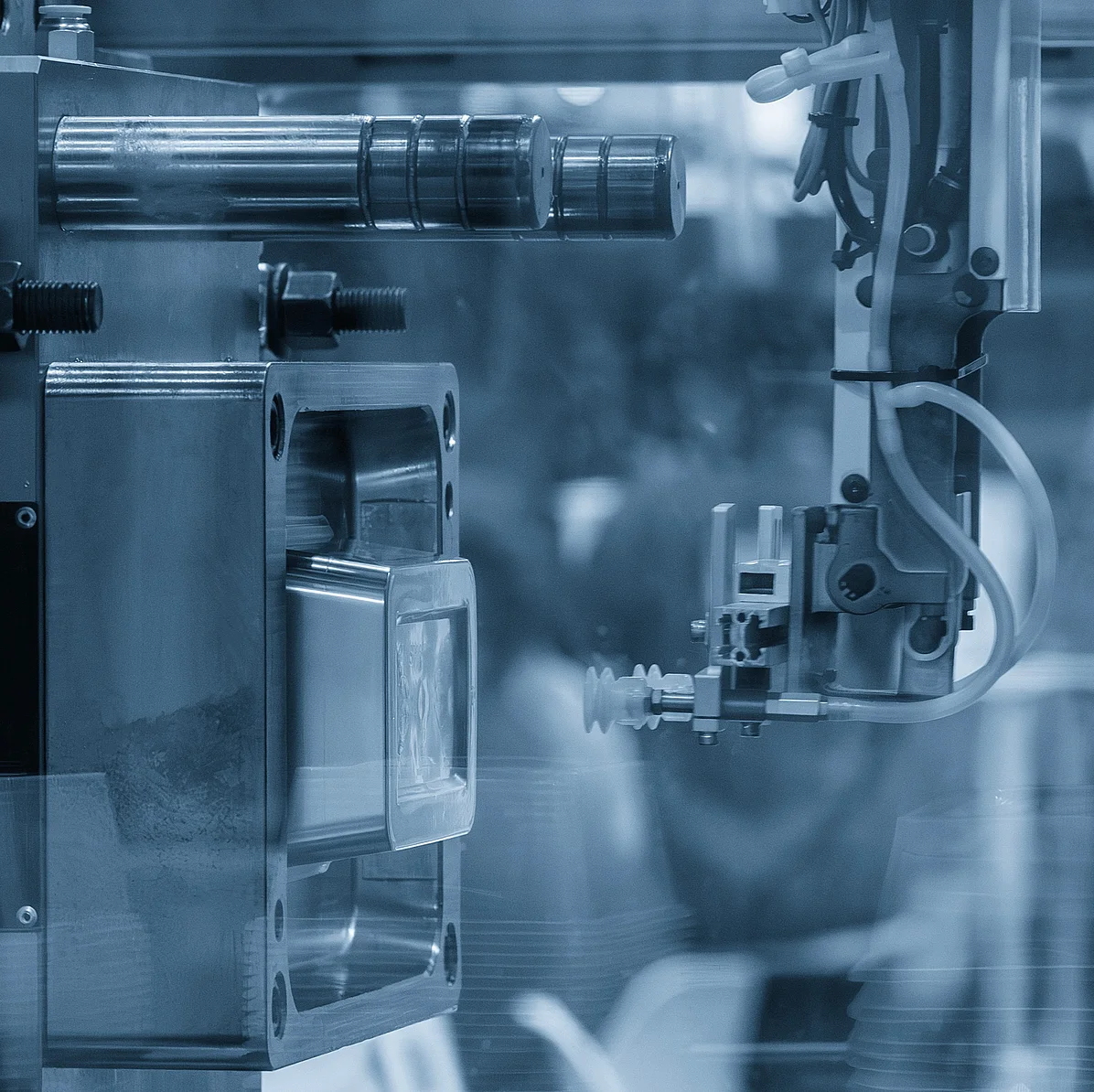
Automation: integrating movement, cycle time, and safety constraints
Special-purpose machines are often designed to automate an industrial operation. Automation can involve an entire production line, a robotic cell, a semi-automatic workstation, a test bench, inspection equipment, or a material-handling system.
From the design phase onward, it is necessary to take into account movements, cycles, work areas, operator access points, guards, sensors, actuators, and safety requirements.
3D modeling allows for better visualization of movements, usable volumes, potential collision zones, and interfaces between different subassemblies. It also facilitates communication between the mechanical engineering department, automation engineers, electricians, process engineering teams, and the end customer.
For manufacturers of custom machinery, this ability to anticipate automation from the design phase onward helps reduce rework, ensure a secure development process, and save time during commissioning.
Mechanical and electrical integration: coordinating disciplines around reliable data
A custom machine is not limited to its mechanical structure. It very often combines mechanical, electrical, automation, pneumatic, and hydraulic systems, as well as sensors, actuators, and monitoring systems.
Mechanical and electrical integration is therefore a major challenge. Control cabinets, cable trays, motors, sensors, connectors, safety components, and control devices must be taken into account from the design phase to avoid space conflicts and last-minute modifications.
Reliable 3D data facilitates this coordination. It allows teams to better visualize component layout, verify access points, anticipate technical pathways, and reduce the risk of errors across different disciplines.
In a custom machine project, this coordination is essential to ensure the consistency of the final product, reduce development time, and improve delivery quality.
Complex single-unit manufacturing: from the design office to the shop floor
Special-purpose machinery often falls under the category of complex single-unit manufacturing. Each piece of equipment is unique, each project has its own constraints, and specific parts must be manufactured with precision, sometimes within tight deadlines.
This reality requires seamless continuity between the design office, production planning, the shop floor, and procurement. 3D models, drawings, bills of materials, manufacturing documents, machining programs, and procurement information must remain consistent throughout the project.
An integrated solution reduces the need for re-entry, improves the reliability of the information shared, and enables better management of changes. Designed parts can be prepared for machining, structures can be documented, subassemblies can be organized, and manufacturing data can be utilized more quickly.
For manufacturers of custom machinery, this digital continuity is a key factor in meeting deadlines and controlling costs.
Managing large assemblies without slowing down the project
Special-purpose machines can incorporate several thousand components. This complexity can quickly become a hindrance if the design tools do not allow for the efficient management of large assemblies.
Software performance is therefore a key factor. Designers must be able to navigate the machine, modify subassemblies, streamline visualizations, manage different configurations, and maintain responsiveness throughout the design phase.
Managing large assemblies also allows for better project organization. Subassemblies can be structured by function, area, trade, or assembly stage. This organization facilitates collaboration, modifications, documentation, and shop floor preparation.
Leveraging the expertise of design offices
Every custom machine is unique, but companies never start completely from scratch. They reuse principles, modules, frames, workstations, tooling, component libraries, design methods, and internal standards.
Leveraging this expertise is therefore crucial. It reduces design time, standardizes certain practices, improves design quality, and ensures project reliability.
TopSolid enables teams to organize their libraries, reuse standard components, manage variants, and maintain project history. This approach helps manufacturers increase efficiency while retaining the flexibility essential for custom design.
Technical documentation: ensuring safe assembly, manufacturing, and maintenance
A special-purpose machine must be understood, manufactured, assembled, tested, delivered, and maintained. Technical documentation therefore plays an essential role.
Drawings, bills of materials, instructions, exploded views, assembly documents, manufacturing information, shop files, and maintenance data must be produced with precision. The more complex the machine, the more critical the quality of this documentation becomes.
A coherent digital workflow facilitates the creation and updating of technical documents. When a design change occurs, the associated documents can be updated more easily, reducing the risk of inconsistencies.
For end customers, clear documentation also improves the operation, maintenance, and future evolution of the machine.
Managing costs, deadlines, and procurement
The success of a custom machine project depends not only on the design. It also hinges on the ability to manage procurement, deadlines, costs, subcontracting, the shop floor, and project priorities.
Standard components can come from a variety of suppliers. Custom parts may require machining, sheet metal work, structural welding, surface treatment, or assembly. Procurement and manufacturing lead times must be planned as early as possible.
An ERP/CAPM system links technical data to industrial management data: bills of materials, purchasing, inventory, production orders, costs, time, subcontracting, and delivery. This integration helps companies better track their projects and minimize discrepancies between the initial design and the final product.
Applications in special-purpose machinery
TopSolid meets the needs of numerous applications related to custom machinery:
Automated production machines
Assembly stations, handling equipment, production lines, robotic cells.
Test and inspection benches
Measurement equipment, validation stations, quality control systems, functional test benches.
Packaging machines
Conveying, dosing, packaging, palletizing, material handling, and integration of standard components.
Industrial machinery
Custom equipment for the automotive, aerospace, medical, energy, food processing, and mechanical engineering industries.
Tools and production resources
Jigs, fixtures, clamping devices, operator stations, and maintenance equipment.
Structures and frames
Design of frames, housings, guards, profiles, sheet metal work, welded assemblies, and multi-material assemblies.
This diversity requires solutions capable of handling custom design, large assemblies, mechanical and electrical integration, and complex single-unit manufacturing.
A comprehensive digital workflow for specialty machine builders
Special-purpose machine manufacturers must coordinate numerous disciplines around a single project. Digital continuity ensures this coordination by linking key stages:
- analysis of the specifications;
- functional architecture of the machine;
- 3D design of parts and subassemblies;
- integration of standard components;
- verification of clearances and interfaces;
- preparation of drawings and bills of materials;
- programming of parts to be machined;
- purchasing and procurement management;
- monitoring the manufacturing process;
- assembly, fine-tuning, and final documentation.
This approach helps minimize gaps between departments, reduce errors, and better control deadlines.
TopSolid, a partner to manufacturers of special-purpose machinery
Special-purpose machine manufacturers operate in an environment where every project is different, every set of specifications is unique, and every modification can impact the entire machine.
TopSolid supports these companies with an integrated software suite capable of linking system engineering, custom design, automation, mechanical and electrical integration, and complex single-unit manufacturing.
Thanks to this continuity between CAD, CAM, PDM, ERP, and the shop floor, teams can better structure their projects, capitalize on their expertise, ensure the reliability of their designs, and increase efficiency from the initial study through final delivery.
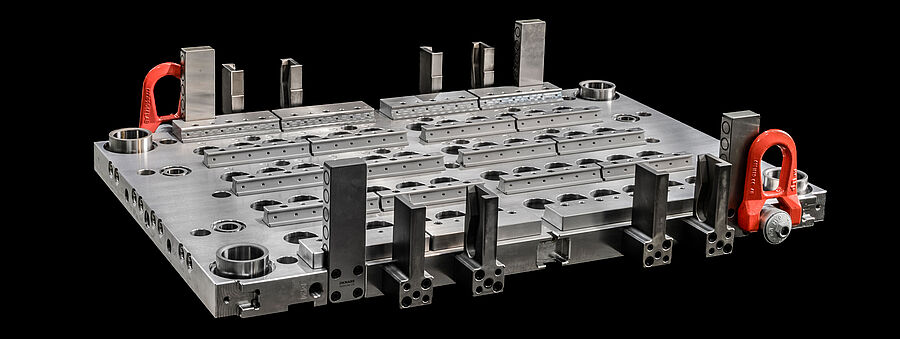
TopSolid'Mold
An open and flexible tooling-design CAD system with fully integrated PDM, providing the best way to handle most CAD formats on the market while improving productivity.
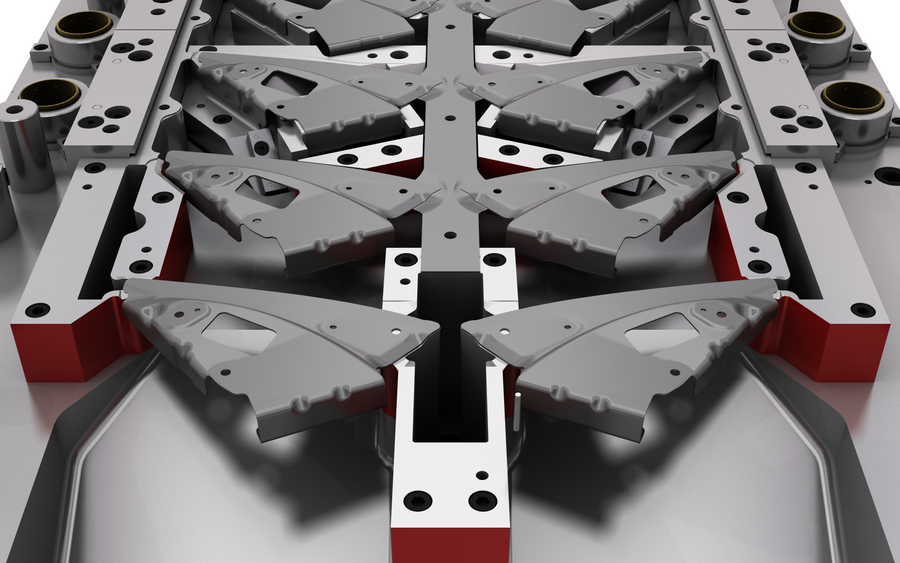
TopSolid'Progress
TopSolid'Progress makes Strip Layout Design easier with a set of specific Features : specialized punching operation, bending and forming management etc.
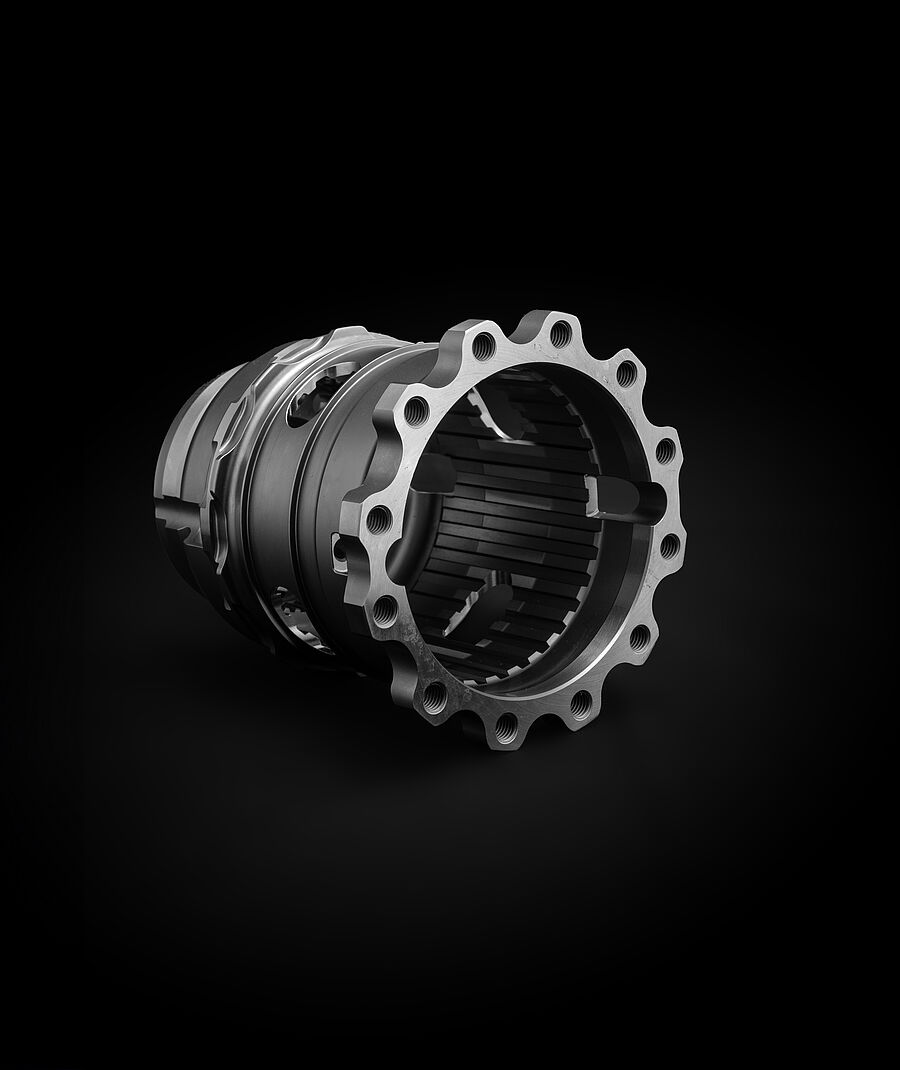
TopSolid'Cam: CAM software
A comprehensive CAD/CAM solution that boosts the competitiveness of your manufacturing process, from 2-axis to 5-axis machining, all within a simple, intuitive, and scalable environment. Guaranteed efficiency at the heart of Industry 4.0.
TopSolid'ShopFloor
A modular and scalable ecosystem that reliably and automatically manages all manufacturing workflows, from projects to NC programs, from tooling to stock, offering complete control over your production environment.
Frequently Asked Questions
CAD, CAM, and ERP software for industrial machinery

Find the Right TOPSOLID Solution for Your Business
Explore how TOPSOLID can support your industry with integrated solutions designed to connect your processes from design to production.